Understanding Condo And Townhome Options In Cloverdale
March 5, 2026
March 5, 2026
Looking for a low‑maintenance wine‑country home without the single‑family price tag? If you are exploring Cloverdale, you have smart options in condos and townhomes that fit first‑time buyers, downsizers, and lock‑and‑leave second‑home goals. In this guide, you will get a clear view of price expectations, common layouts, HOA essentials, financing checks, insurance and wildfire context, and how Cloverdale stacks up to Healdsburg. Let’s dive in.
Cloverdale offers a value‑forward entry into Sonoma County living. While major aggregators place the overall market for all home types in the mid‑$600k range, recent condo and townhome examples have commonly traded from about the high‑$200ks to around $500k in 2024–2025. That spread depends on community, size, and condition.
Inventory for attached homes tends to arrive in small bursts. In a smaller city, one complex may release several listings at once, then go quiet for months. Expect seasonal swings and be ready to act when the right fit appears.
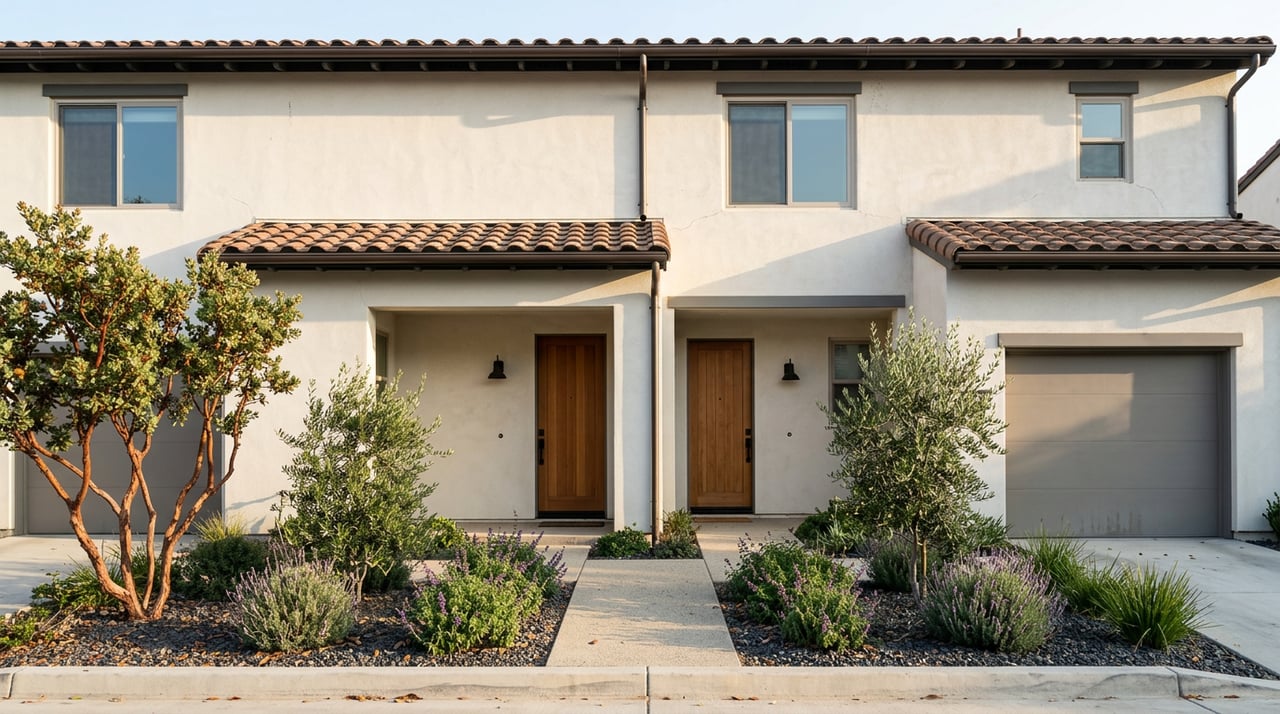
Condos in Cloverdale typically involve ownership of the interior space with shared responsibility for common areas through a homeowners association. Townhomes are usually multi‑level with private entries and often garages. Ownership and exterior responsibility vary by how each development is structured.
Parking varies by complex. You may see assigned spaces, carports, or attached garages. Amenities such as pools, clubhouses, or landscaped greenbelts will influence monthly HOA fees.
California’s Davis‑Stirling Common Interest Development Act sets the framework for how most HOAs operate, including disclosures, budgets, reserve studies, and member rights. If you are buying into an HOA, this is the rulebook. You can read the statute overview through this Davis‑Stirling reference.
Ask the seller or HOA to provide:
These items help you understand operating health, upcoming costs, and rule compliance under Davis‑Stirling.
Well‑funded reserves reduce the chance of big surprise bills for roofs, siding, or systems. California requires associations to study reserves and disclose funding levels. Review the latest reserve study and budget to gauge near‑term capital needs. For a plain‑English explainer on reserves and why they matter, see this overview of HOA reserves.
Associations must inspect and disclose the condition of Exterior Elevated Elements such as balconies and stairs. Request any inspection or engineering reports tied to SB 326 as part of your due diligence. Learn the basics from this summary of California balcony safety rules.
State updates continue to refine how HOAs enforce rules and assess fines. Ask for the current enforcement policy and check for any open violations on the unit. A helpful legal summary of recent changes is available here: California CID legislative and case law updates.
Monthly assessments in Cloverdale vary by community. Condos with modest amenities often sit in the low‑to‑mid hundreds per month. Townhome communities that include more services or higher insurance costs can run higher. Always evaluate what the fee covers, how the budget trends over time, and whether reserves align with upcoming projects.
Conventional lenders review condo projects for eligibility. Your lender will check Fannie Mae’s Condo Project Manager or a similar tool to confirm whether the project meets standards. If a project is flagged, financing choices can narrow or carry higher costs. Have your lender run the project review upfront. You can read about the tool here: Fannie Mae Condo Project Manager.
If you plan to use FHA or VA financing, ask your lender about the project’s approval status and whether a single‑unit approval is possible on your timeline.
Wildfire risk and insurance availability are real factors in Sonoma County. CAL FIRE and the County updated Fire Hazard Severity Zone maps in 2024–2025, with some areas seeing expanded high or very high designations. Start with parcel‑level verification on the County’s Fire Hazard Severity Zone resources and review local reporting on the update, such as this overview of new map releases.
If the property is in a designated zone, sellers may need to provide an AB 38 defensible‑space disclosure. You can review guidance and checklists for defensible space through Northern Sonoma County Fire.
California’s homeowners insurance market is evolving, and premiums vary by parcel, construction type, and mitigation. Get quotes early and ask how the HOA’s master policy interacts with your individual walls‑in policy. For broader market context, see this analysis on California homeowners insurance challenges.
Cloverdale and Healdsburg both offer attractive attached‑home options, but they fill different needs.
The best outcomes come from early homework on three fronts: HOA health, financing path, and insurance feasibility. Match that with a layout that fits how you live today, and you can capture excellent value in Cloverdale compared with nearby hot spots.
If you want local, data‑driven guidance on current inventory, HOA quality, and project eligibility, reach out. Erik Terreri combines Sonoma County expertise with rigorous analysis to help you buy with clarity and confidence.



Whether buying or selling, trusted guidance ensures a seamless journey. Every detail is handled with care, turning real estate goals into achievements while providing clarity, confidence, and peace of mind throughout the process.