Eyeing a Healdsburg home or vineyard property and wondering if your mortgage will be a jumbo? You’re not alone. Many wine-country purchases sit above standard lending caps, which changes how rates are priced, how appraisals are handled, and what lenders expect from you. In this guide, you’ll learn what counts as a jumbo, how jumbo rates work, what lenders require, and practical steps to strengthen your offer in Sonoma County. Let’s dive in.
Jumbo basics for Healdsburg buyers
A jumbo loan is any mortgage that exceeds your county’s conforming loan limit and is not eligible for purchase by Fannie Mae or Freddie Mac. Because these loans are not backed by those agencies, lenders hold more risk and apply different pricing and underwriting.
For 2024, the national baseline conforming limit for a one-unit property is $766,550. Some high-cost counties have higher limits. You should confirm Sonoma County’s current-year conforming limit with your lender, since thresholds are updated annually.
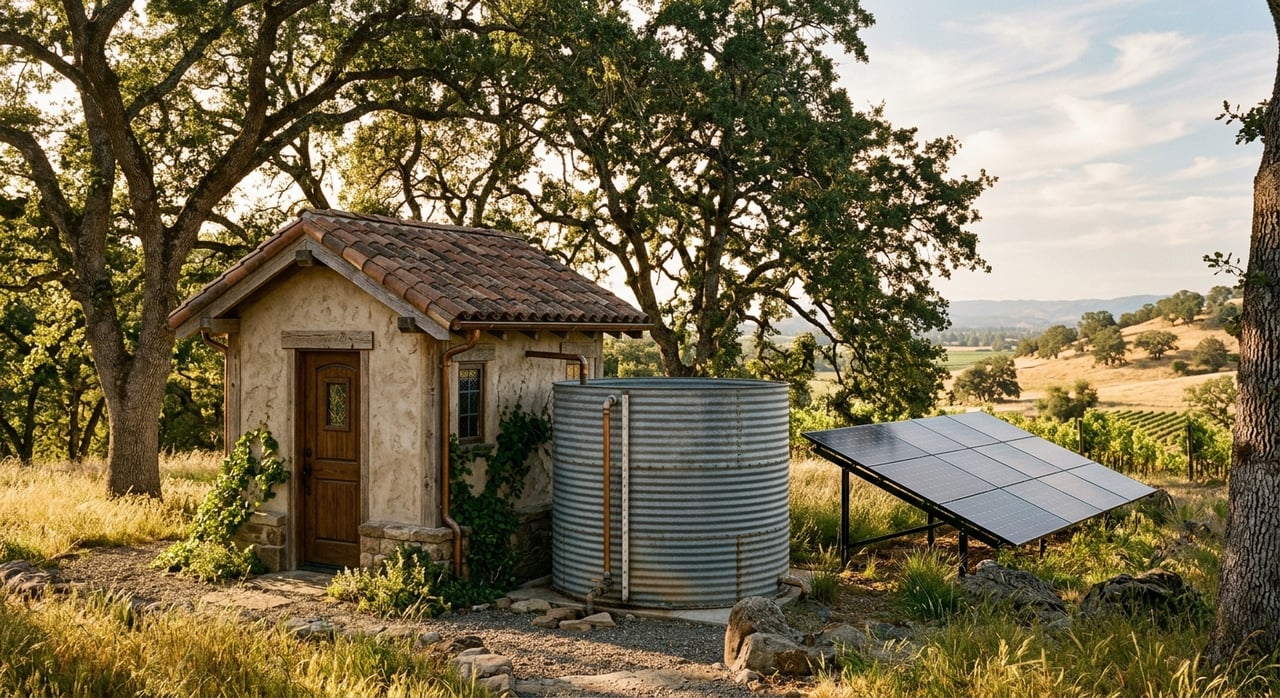
In Healdsburg and the broader Sonoma market, many single-family homes and rural estates can exceed baseline limits. That makes jumbo financing common for move-up buyers, second-home purchases, and properties with premium features such as acreage, vineyards, or estate amenities.
Rate dynamics and pricing
Jumbo rates can differ from conforming loans because they are less liquid in the secondary market and carry concentrated risk for lenders. The spread between jumbo and conforming rates changes with market conditions. With strong credit and a larger down payment, the gap can be small.
What most affects your jumbo rate:
- Loan size and how far it is above the conforming limit.
- Loan-to-value ratio. Lower LTVs usually get better pricing.
- Property type and location. Rural acreage, custom homes, and ag-adjacent properties can carry extra risk charges.
- Borrower profile. Self-employed buyers or complex income situations can add to pricing.
Rate lock tips: Jumbo pipelines often have fewer float-down options. Align your lock strategy with appraisal timing and lender timelines, especially for unique properties that may take longer to underwrite.
Underwriting requirements
Every lender sets its own policies, but here’s what you can usually expect with jumbo loans.
Credit and pricing
- Many programs start at 700 to 720 minimum scores.
- Best pricing typically requires 740 or higher.
- Lower scores often mean higher rates or denials.
Down payment and LTV
- 10 to 20 percent down can be possible with select programs.
- Many lenders expect 20 percent or more for purchases to avoid steep pricing hits.
- Second homes and investments often require 25 to 30 percent or more.
DTI and reserves
- Lenders often prefer debt-to-income ratios in the 36 to 45 percent range for jumbos.
- Post-closing reserves are common. Plan on 6 to 12 months of mortgage payments, and more for higher loan amounts or second homes.
Documentation and income
- Expect full documentation. Pay stubs, W-2s, and two years of tax returns are standard.
- Self-employed buyers typically provide two years of business returns and may be asked for 12 to 24 months of bank statements.
- Large deposits must be sourced and documented.
Appraisals for unique properties
- A full interior and exterior appraisal is standard on jumbos.
- In areas with limited comparable sales, lenders may require a second appraisal or a specialized high-value appraiser.
- For vineyards, ranches, multi-parcel holdings, or properties with agricultural features, expect deeper review and possible valuation adjustments.
Property eligibility
- Non-warrantable condos, co-ops, vacant land, or homes with complex mixed-use elements can be harder to finance with conventional jumbo programs.
- Some properties linked to income-producing activities, such as winery operations, may require additional analysis or a specialty lender.
Mortgage insurance
- Traditional PMI is typically not available for loans above conforming limits.
- Buyers often use larger down payments or a second-lien structure instead.
Second homes and investments
If you’re buying a second home in Healdsburg, plan for stricter standards. Lenders often want higher credit scores, larger down payments in the 20 to 30 percent range, and more reserves. Investment properties are usually the most restrictive with higher rates, bigger down payments, and tighter DTI and reserve rules.
Healdsburg jumbo playbook
Use this step-by-step approach to stay ahead of the process and write stronger offers.
Plan early
- Speak with a mortgage professional before touring homes to confirm whether your target price requires a jumbo.
- Review your income, assets, and documentation so you understand any lender overlays that could apply.
Choose the right lender
- Compare portfolio lenders, who hold loans and may be more flexible with rural or unique properties, with national jumbo lenders, who may price aggressively but use stricter overlays.
- If you’re self-employed or have complex income, prioritize lenders experienced with high-value and non-standard documentation.
Get a true pre-approval
- Secure a written pre-approval that verifies assets and income, not a quick pre-qualification.
- Ask for a letter that states your intended loan program, approximate rate assumptions, and any outstanding conditions.
Build a realistic timeline
- Plan for a longer financing contingency due to appraisal scheduling and jumbo underwriting complexity.
- Coordinate appraisal timing with your agent and lender, and consider a shorten-on-approval clause once key milestones are cleared.
Prepare your documents
- Two years of personal tax returns, plus business returns if applicable.
- Recent pay stubs and W-2s if employed.
- Personal and business bank statements for the period your lender requires.
- Investment and retirement account statements.
- Explanations and documentation for large deposits.
- Gift letters and donor documentation if using gifted funds.
- Sales contract and property disclosures once in escrow.
Strengthen your offer
- Consider a larger earnest money deposit where appropriate.
- Right-size inspection and financing contingencies to lender timelines.
- For unique properties, discuss appraisal risk management with your lender and agent, including appraisal gap strategies or bridge options when suitable.
Mistakes to avoid
- Guessing the county limit. Confirm it each year with your lender.
- Underestimating documentation. Jumbos require more verification and clear paper trails.
- Short contingencies. Appraisal and underwriting may need extra time, especially for acreage or custom homes.
- Rate-lock missteps. Coordinate lock timing with appraisal scheduling and lender capacity.
- Assuming you can add PMI later. Above conforming limits, PMI is usually not available.
Work with a local advocate
Jumbo financing in wine country blends lending rules with real property complexity. Properties with wells, septic systems, acreage, or potential agricultural use call for careful coordination with lenders and appraisers. You deserve a guide who understands both the numbers and the land.
If you’re planning a jumbo purchase in Healdsburg or greater Sonoma County, partner with a local expert who can help you prepare, set realistic timelines, and negotiate with confidence. Connect with Erik Terreri to discuss your goals and map a clear path to closing.
FAQs
What is a jumbo loan in Sonoma County?
- A jumbo loan is any mortgage above the county’s conforming loan limit, which means it is not eligible for purchase by Fannie Mae or Freddie Mac and follows non-agency underwriting.
What down payment is typical for a Healdsburg jumbo purchase?
- Many lenders expect 20 percent or more for purchases, though select programs may allow 10 to 20 percent with pricing trade-offs; second homes and investments often require 25 to 30 percent or more.
How long do jumbo loans take to close in wine country?
- Jumbos often take longer than conforming loans due to appraisal complexity and underwriting depth; plan for several weeks and build sensible contingencies.
Can self-employed buyers qualify for jumbos?
- Yes, but expect stricter documentation such as two years of business tax returns, profit and loss statements, and possibly 12 to 24 months of bank statements.
Can I get PMI on a jumbo mortgage?
- PMI is typically not available above conforming limits; lenders usually expect larger down payments or a second-lien structure instead.
How do appraisals work for vineyard or acreage homes?
- Lenders usually require a full appraisal and may add a second or specialty review when comparable sales are limited or the property has unique features like vineyards or multi-parcel layouts.