Leave a Message

Thank you for your message. I will be in touch with you shortly.

Cloverdale Neighborhoods: A Local Buyer’s Guide

December 18, 2025

Thinking about a home in Cloverdale but not sure which neighborhood fits your lifestyle? You are not alone. Many Bay Area relocators start here because Cloverdale offers walkable blocks, hillside views, and rural acreage within one small city. In this guide, you will learn how the main areas differ, what systems to check before you buy, and how to think about commute, outdoor access, and long-term plans. Let’s dive in.

Quick orientation to Cloverdale

Cloverdale sits at the northern end of Sonoma County along US‑101 and serves as a compact hub for nearby wine-country valleys. In-town blocks center around a historic core with storefronts, restaurants, and civic uses. Outside the city limits, you will find rural parcels, vineyards, and ranch properties.

Most in-town neighborhoods are a short drive to downtown. Some historic blocks offer an easy walk to shops and community events. If you choose the outskirts, plan on car trips for groceries, schools, and municipal services.

Walkable downtown and historic neighborhoods

These areas put you close to local dining, arts, and weekly happenings. You trade larger lots for character and convenience.

Downtown and the historic core

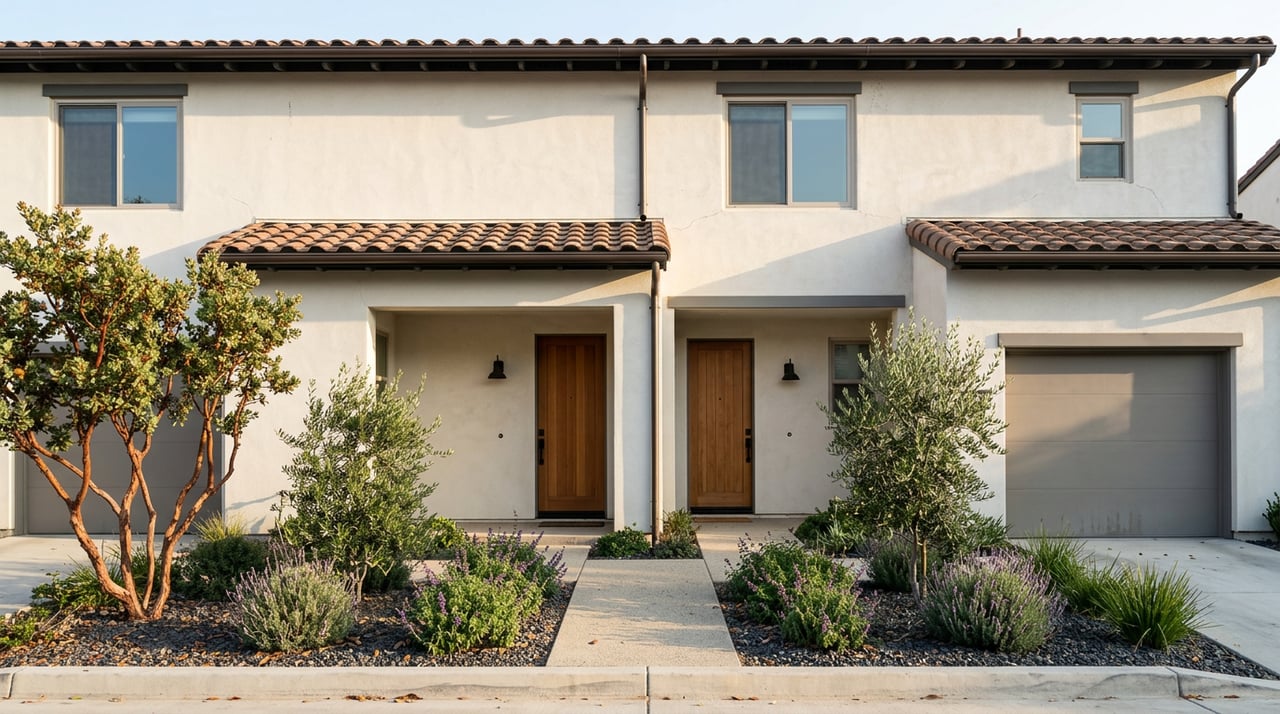
The historic core focuses on Cloverdale’s central business area and adjacent residential streets. You will see small-lot single-family homes, older multiunit buildings, and occasional infill like row-style homes or condos. Typical styles include Victorians and Craftsman-era houses with classic porches and wood details.

Buyer tips:

  • Expect strong walkability for daily errands and events.
  • Plan around limited parking and smaller lot sizes.
  • If you want to update systems, budget for electrical, plumbing, and possible seismic work common to older structures.

Historic residential blocks near downtown

A few blocks off the core, tree-lined streets feature early 20th-century homes, bungalows, and mid-century cottages. Lots are modest and many homes have original architectural details.

Buyer tips:

  • Renovation potential is a draw, but verify permits and past work.
  • Ask the city about any historic-district design review before planning exterior changes.
  • Older homes may need upgrades for heating, plumbing, or insulation.

Suburban and hillside options

If you want more modern systems or views, explore the newer in-town subdivisions and hillside streets near the city edge.

Suburban and newer in-town subdivisions

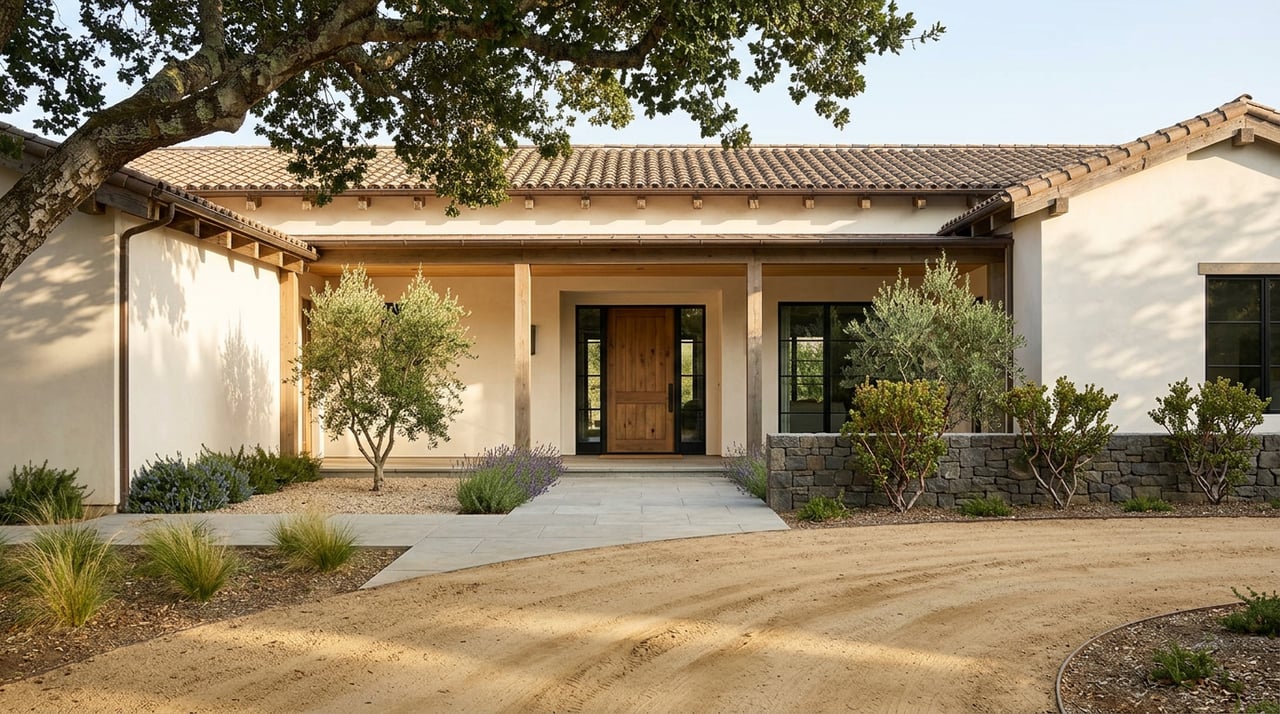
Post‑1970s subdivisions and infill developments offer ranch plans and contemporary homes on manageable lots. These areas typically sit within city service boundaries.

Buyer tips:

  • Municipal water and sewer are more common here. Confirm service with the city.
  • Newer construction can simplify additions and energy upgrades.
  • Side-yard and setback dimensions vary by subdivision, so review zoning before projects.

Hillsides and upper neighborhoods

As you move up in elevation near the edges of town, you will find a mix of older homes and newer custom builds. Some properties have views and larger lots.

Buyer tips:

  • Check road grade, driveway access, and winter driving conditions.
  • Plan for defensible space and vegetation management to reduce wildfire risk.
  • On sloped sites, review geologic and erosion considerations before major work.

Rural outskirts and vineyard living

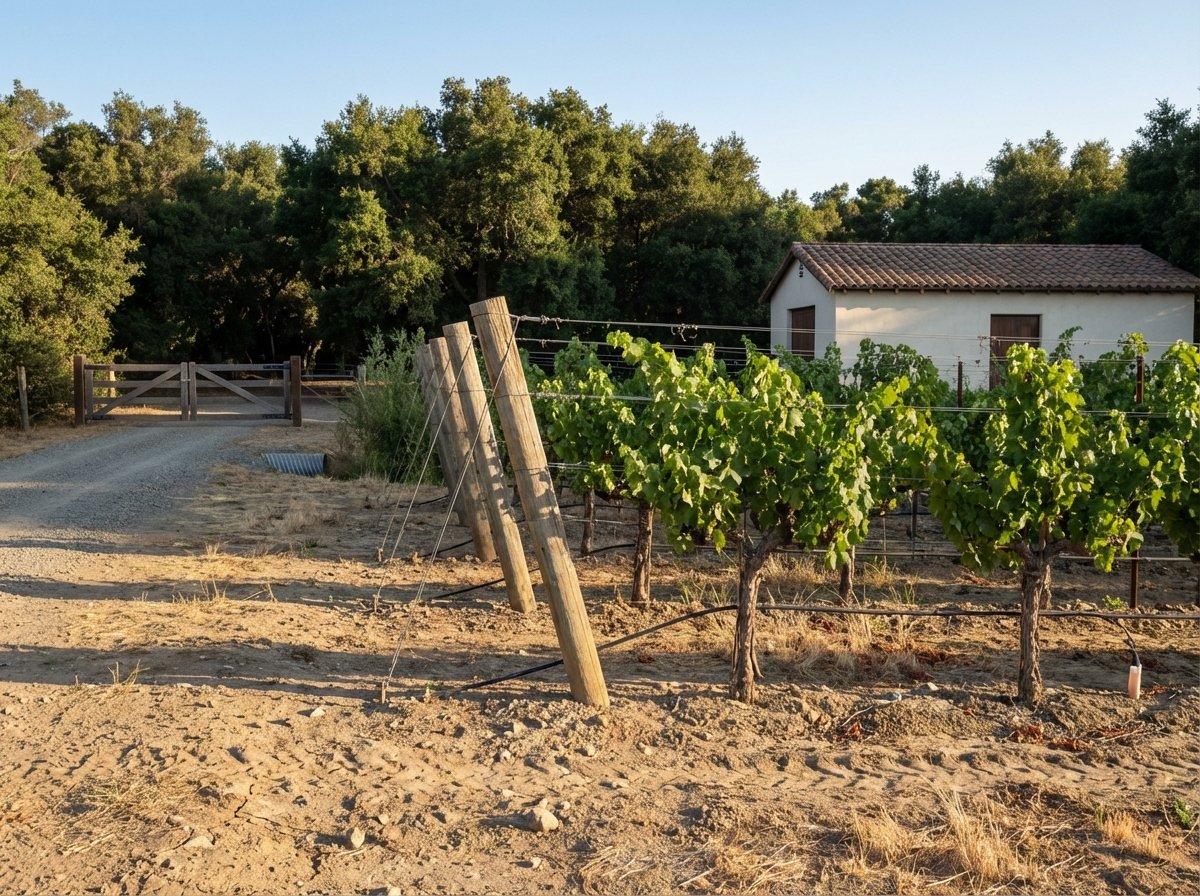
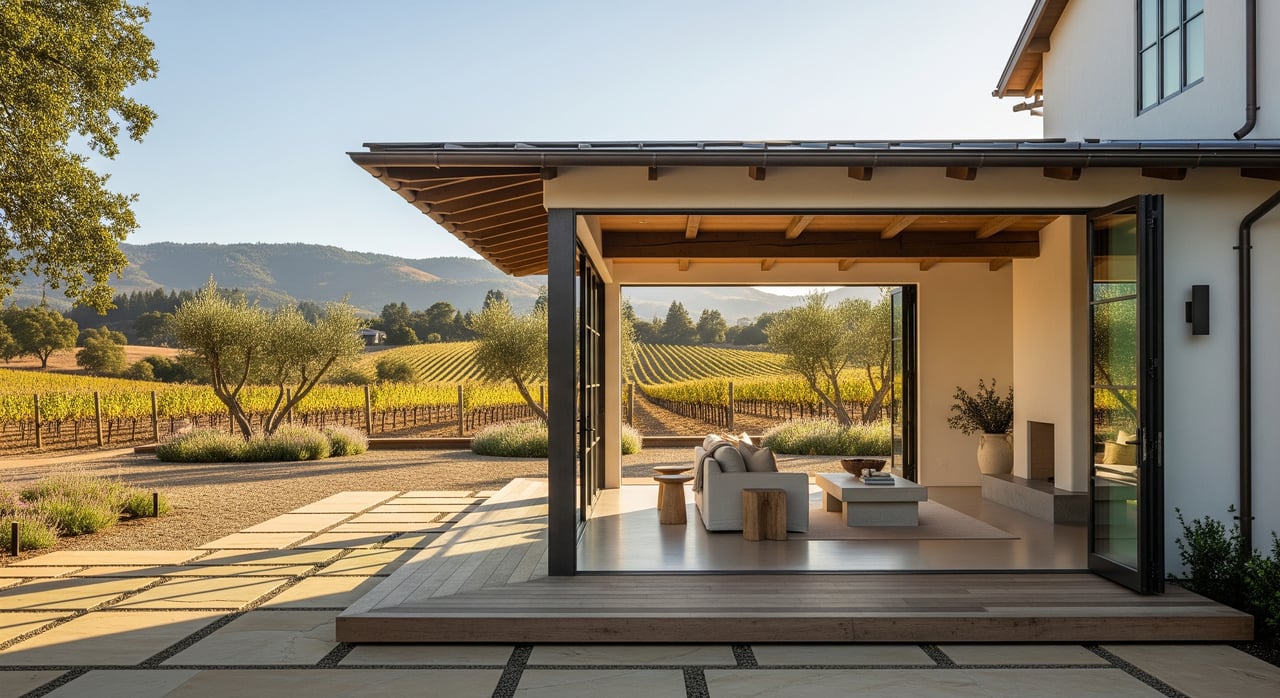
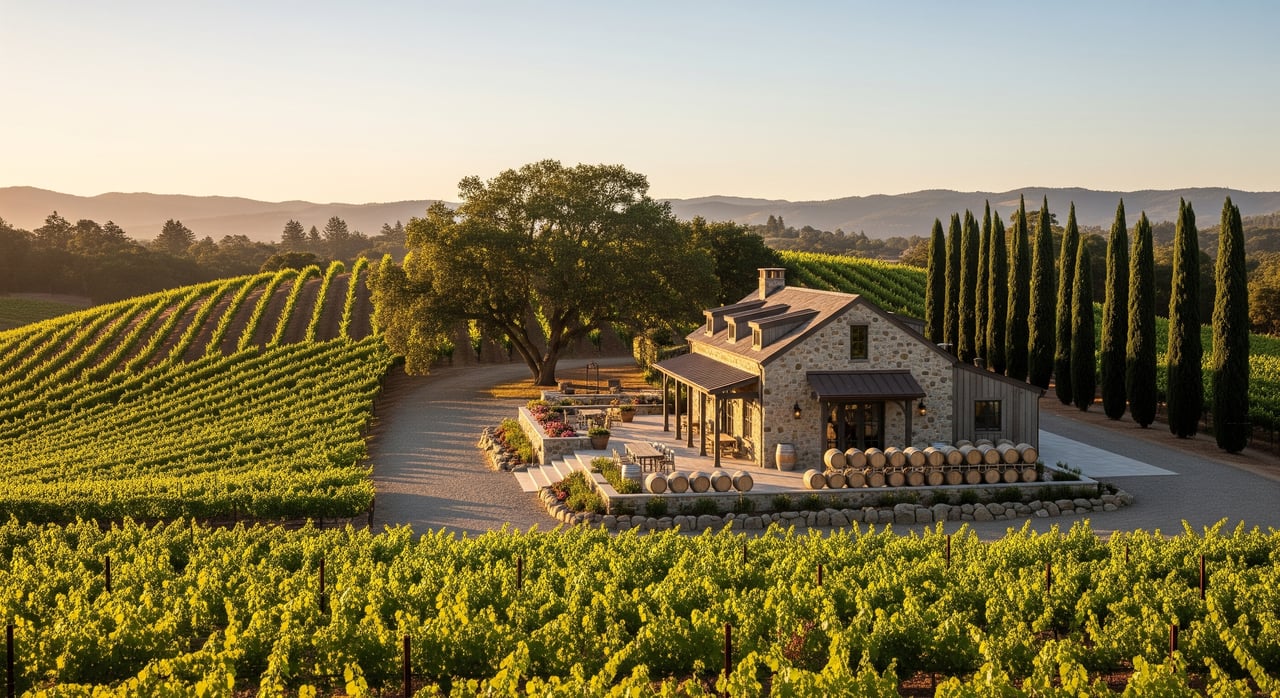
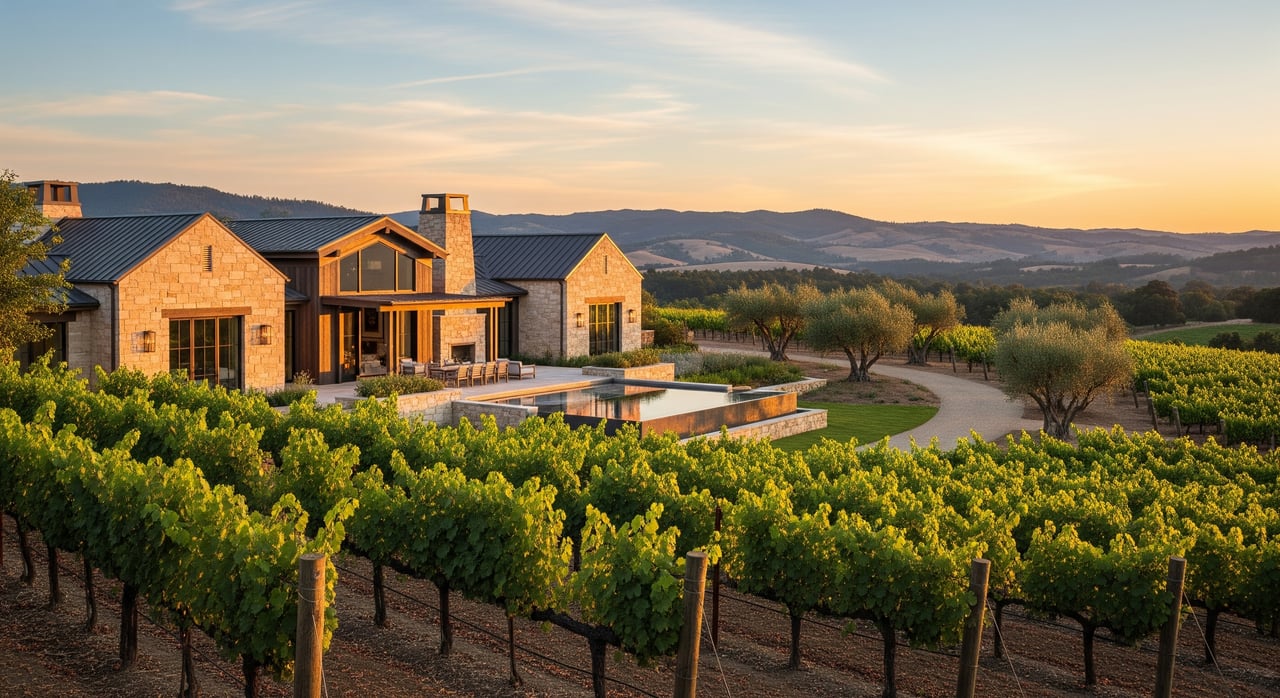
Beyond the city limits, Cloverdale gives you access to Alexander Valley, Dry Creek corridors, and rolling ranchlands. Properties range from classic ranch houses to custom estates, often with vineyards, barns, or accessory buildings.

Buyer tips:

  • Many rural parcels use well water and septic systems. Confirm well production, water quality, and septic records with county environmental health.
  • Zoning is county-based, and agricultural rules can affect how you use the land. Ask about Williamson Act contracts and any agricultural easements or leases.
  • Expect private roads, longer service response times, and more driving to downtown.
  • Broadband and cellular coverage can be spotty. Check providers for address-level coverage.

Manufactured-home communities

Cloverdale area manufactured-home or mobile-home parks offer lower-cost ownership or rentals within reach of local services.

Buyer tips:

  • Review park rules, ownership structures, and lot lease terms.
  • Consider long-term affordability and monthly carrying costs.

Parks, trails, and outdoor access

If outdoor living is a priority, Cloverdale gives you both in-town green space and regional options.

In-town parks and fields

Neighborhood parks and sports fields support casual recreation and community play. Check the City of Cloverdale for the current list of parks, playgrounds, and facilities, and confirm hours and reservation policies before planning events.

Regional trails and rail-corridor planning

The former rail corridor through Sonoma County is part of regional trail planning. Agencies are studying sections that could improve walking and cycling access over time. For the latest status and public access points near Cloverdale, review local plans and trail agency updates.

River and open space access

The region offers river and reservoir recreation with fishing, paddling, and hiking options. Verify public access rules, launch sites, and seasonal restrictions with county and state park agencies.

Commute, transit, and regional links

Cloverdale connects north and south through US‑101. East–west county roads lead into nearby valleys and rural destinations.

Highways and local roads

US‑101 is the primary commute route. Expect peak congestion at common rush hours and seasonal traffic during holidays and wine-country weekends. If you commute to Santa Rosa or the Bay Area, test-drive the route at your typical times to set expectations.

Bus and rail considerations

County transit providers operate routes that connect Cloverdale with regional hubs. Service frequency can vary by day and season. Rail agencies have studied extending service north in the future. For current schedules and planning updates, check the relevant transit agencies and meeting materials.

Airports and travel patterns

For air travel, buyers typically drive to the nearest commercial airports using US‑101 or regional highways. Plan for traffic patterns and choose routes based on time of day and flight schedules.

Practical buying considerations in Cloverdale

Buying in Cloverdale often comes down to a few key checks that protect your investment.

Utilities and infrastructure

  • Water and sewer: In-town parcels usually have municipal service. Rural parcels often rely on wells and septic. Verify service boundaries and records before you write an offer.
  • Broadband and cell: Rural coverage varies. Confirm provider options at the exact address.

Zoning and land use

  • City vs. county: Inside city limits, municipal zoning and the city’s general plan apply. Outside, Sonoma County zoning and agricultural standards govern.
  • Agricultural constraints: Agricultural zoning may limit non-farm uses. Williamson Act contracts can affect taxes and land use.

Natural hazards and insurance

  • Wildfire: The region carries wildfire risk. Review hazard maps and plan for defensible space.
  • Flood: Use FEMA flood maps to check floodplain designations, especially near rivers and low-lying areas.
  • Geology: On hillside and vineyard properties, review seismic and landslide risks before major improvements.

Permits and improvements

  • ADUs: State law supports ADUs, but local permitting, utility capacity, and site constraints determine feasibility.
  • Septic and wells: Replacements or major repairs require permits. Budget for inspections and potential upgrades on older systems.
  • Historic review: Exterior changes in designated historic areas may need design review.

Title and access checks

  • Private roads: Confirm legal access and road maintenance agreements.
  • Easements: Review utility, access, agricultural, or vineyard easements that could affect use.

Buyer checklist: what to verify before you offer

  • Confirm if the property is inside city limits or in unincorporated Sonoma County.
  • Verify municipal water and sewer vs. well and septic, and review available records.
  • Check wildfire and flood maps for the exact address.
  • Ask about broadband and cellular coverage at the property.
  • Review zoning, including agricultural rules and any Williamson Act contracts.
  • Confirm school locations and attendance boundaries with the local district.
  • Test-drive the commute on US‑101 and review bus options if applicable.
  • Inspect roads, driveways, slopes, and drainage, especially on hillside parcels.
  • Review permits for additions, ADUs, or past renovations.
  • Confirm private road agreements and any vineyard or agricultural leases.

How we help buyers in Cloverdale

Cloverdale offers a rare mix of small-town walkability, hillside privacy, and true rural living. Choosing the right neighborhood means aligning your daily needs with the property’s systems and constraints. You want confidence about water and sewer, clarity on zoning, and a plan for commute and long-term maintenance.

This is where a technical, local approach matters. As a Sonoma County specialist with deep experience in rural systems, vineyards, and complex transactions, I help you evaluate wells, septic, and access, and navigate agricultural or county zoning from the start. For investors, I also support 1031 and reverse-1031 exchange timelines. If you are balancing lifestyle goals with practicality, we will build a focused search that pairs neighborhood character with the right due diligence.

Ready to explore Cloverdale’s neighborhoods with a clear plan? Reach out to Erik Terreri for a tailored market strategy and property consultation.
FAQs

What are the main neighborhood types in Cloverdale?

  • Downtown and historic blocks, newer in-town subdivisions, hillside areas near the city edge, rural parcels with vineyards or ranchland, and manufactured-home communities.

How walkable is the downtown area for daily needs?

  • Blocks in and around the historic core are walkable for local errands, dining, and community events, though lot sizes and parking are more limited.

What should I check for utilities in rural Cloverdale?

  • Confirm well production, water quality, and septic condition with county records, and verify any private road agreements and utility easements.

How does commute work from Cloverdale?

  • Most regional trips use US‑101, with peak-hour congestion and seasonal traffic; bus routes connect to regional hubs, and rail extensions are being studied.

Are ADUs feasible on Cloverdale properties?

  • State law supports ADUs, but site constraints, utility capacity, and local permitting determine feasibility and costs.

How do I evaluate wildfire and flood risk?

  • Review CAL FIRE fire hazard maps and FEMA flood maps for the exact address, and plan for defensible space and floodplain considerations where applicable.

What is different about county-zoned parcels near Cloverdale?

  • County-zoned parcels follow Sonoma County standards, which can include agricultural rules and setbacks that differ from city zoning.

Dreams in Motion

Whether buying or selling, trusted guidance ensures a seamless journey. Every detail is handled with care, turning real estate goals into achievements while providing clarity, confidence, and peace of mind throughout the process.