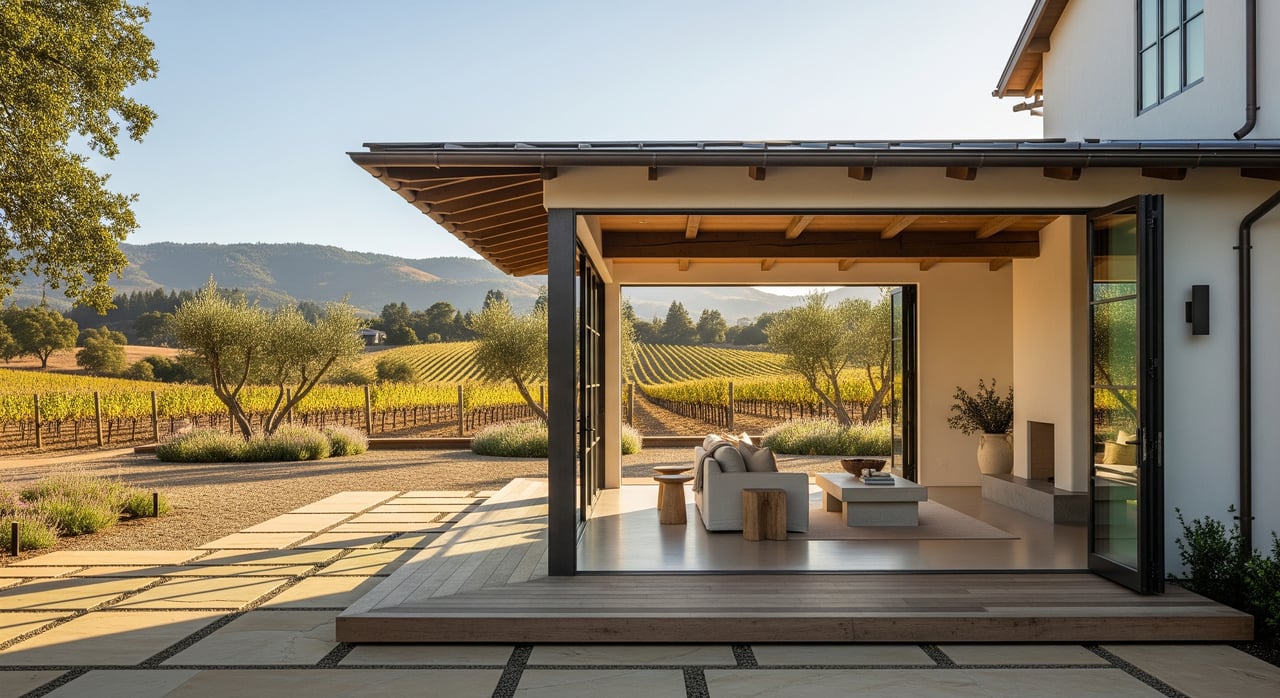
Year‑Round Living in Healdsburg: A Practical Guide
February 5, 2026
February 5, 2026
Thinking about trading city buzz for wine‑country calm? Living in Healdsburg year round feels different than a long weekend. You still get incredible food and vineyards, but daily life centers on a small, connected community with short local drives and a walkable downtown. In this guide, you’ll see how housing, walkability, commutes, schools, and seasons actually shape your day. Let’s dive in.
Healdsburg sits at the confluence of the Russian River and Dry Creek in northern Sonoma County, right in the Dry Creek and Alexander Valleys. You’re roughly 20 to 30 miles from Santa Rosa, about 70 miles from San Francisco via US‑101, and 45 to 60 minutes from the Sonoma Coast. The city itself is compact, with a permanent population in the low tens of thousands and a steady seasonal visitor flow.
The climate is Mediterranean. Expect warm, dry summers with hot afternoons, and cool, wetter winters. Seasonal realities matter. Late summer and fall bring regional wildfire smoke days, and winter storms can raise flood risk for low‑lying areas near the Russian River.
Healdsburg offers a mix of historic in‑town homes, newer infill, and rural properties. Inventory is limited compared to big metros, and demand reflects the area’s wine‑country appeal.
Near the Plaza, you’ll find Victorians, Craftsman bungalows, small multi‑unit buildings, and some condos or townhomes. Living here can mean running many errands on foot and treating the Plaza as your living room. Short‑term rentals are part of the landscape near the Plaza, which can influence street activity and parking at peak times.
Just outside the core, neighborhoods lean more car‑oriented. You’ll still be a short drive to groceries and services, often in 5 to 10 minutes. Newer subdivisions exist, but city policies generally prioritize preserving downtown character over large‑scale expansion.
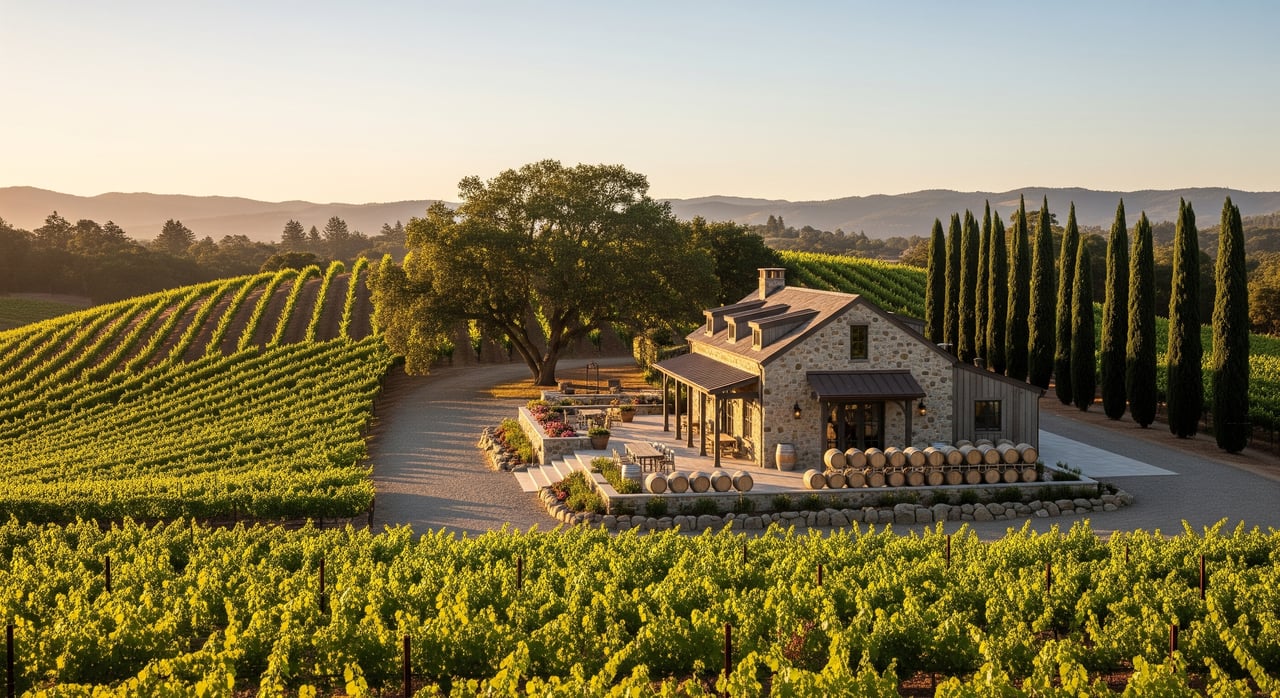
Beyond town, you’ll see single‑family ranches, contemporary homes, hobby farms, vineyard estates, and vineyard‑adjacent lots. Many rural properties rely on wells and septic systems, and some owners pursue energy independence. If you are drawn to acreage, it pays to understand water, soils, access roads, and fire preparedness as part of day‑to‑day living.
Healdsburg is a premium Sonoma County market, with home values well above national averages. Prices shift with broader cycles, and inventory can be tight, so you will want current stats from local MLS sources when you are ready to make decisions. Property taxes follow California norms, with a base around 1 percent plus local assessments that vary by parcel.
Daily rhythms center on the Healdsburg Plaza. If you live in or near downtown, you can walk to cafés, tasting rooms, galleries, and shops. Many residents enjoy early‑morning coffee walks, evening dinners on foot, and weekend errands without the car.
You have at least one full‑service supermarket in town, plus smaller specialty markets. A year‑round farmers market brings seasonal produce. Pharmacies, banks, and hardware options are local, while Santa Rosa or Petaluma offer broader retail choices when you need them.
Healdsburg has clinics, urgent care, and primary care options. For major hospitals or specialized care, you will likely drive 20 to 45 minutes to Santa Rosa or another larger nearby city. The city maintains local police services, and fire protection combines local response with county and Cal Fire coordination for wildland areas.
Healdsburg Unified School District operates local elementary, middle, and high schools, with modest enrollment that supports a community feel. Preschools are in town, and there are additional private options in the broader region. For the latest data, use district and California Department of Education resources when evaluating programs, capacity, and boundaries.
You can stroll or jog around the Plaza, join boutique gyms and studios, and enjoy the river at Healdsburg Memorial Beach for swimming or picnics. Dozens of nearby wineries shape the local food‑and‑wine culture, though everyday life is more about dinners with friends, a weekend tasting, and community events. Quick drives take you to regional parks for hiking and biking, the Russian River for paddling, Lake Sonoma, and the Sonoma Coast.
Commuting patterns heavily influence quality of life. It is important to be realistic about door‑to‑door times.
US‑101 is your main route for north‑south travel. Trips to Santa Rosa, Windsor, and Cloverdale are straightforward. Daily driving to San Francisco or core Bay Area job centers can be long, often 1.5 to 2 hours each way depending on traffic. For most people, a daily San Francisco commute is a significant lifestyle tradeoff.
Sonoma County Transit provides regional bus service, though schedules and frequency are limited compared to urban systems. SMART rail serves parts of Sonoma and Marin, but there is no station in Healdsburg. Some commuters drive to Windsor or Santa Rosa to connect to rail, then continue south by train.
Many residents work locally or in nearby county hubs. Telecommuting is common among people moving from the Bay Area. Before you buy, confirm broadband providers and speeds at the exact address, especially if your job depends on video calls and large file uploads.
Cycling is popular for recreation, with scenic routes through the valleys. Road shoulders vary outside town, so a recreational ride to the vineyards feels different from a fast bike commute. In the core, short rides for errands are common.
Healdsburg has distinct seasonal patterns that shape everyday living.
Late spring through early fall brings peak tourism, especially around harvest. You can expect more traffic, longer restaurant waits, and tight parking near the Plaza. Winter and early spring are quieter, and the town’s residential character comes forward.
Like much of Sonoma County, Healdsburg experiences wildfire season impacts. Smoke can affect air quality during some late summer and fall days. Many residents use home HVAC filtration and keep an evacuation plan. Staying informed through county and Cal Fire guidance is part of living here.
Low‑lying properties near the Russian River can face flood risk during heavy winter rains. If you are evaluating riverfront or low‑elevation lots, check flood maps, consider flood insurance, and plan for seasonal access.
Housing costs are the biggest line item for most households. Some everyday goods and services can be pricier than in larger cities. Many residents balance this by doing larger shopping trips in Santa Rosa while keeping daily needs local. In return, you get a smaller‑scale community, top food and wine, and easy access to nature.
Use this checklist during an exploratory visit to see if Healdsburg aligns with your daily needs:
If you want a smaller community with a strong food‑and‑wine culture, scenic landscapes, and easy outdoor access, Healdsburg delivers. The tradeoffs are real. Housing costs are higher than average, tourist seasons shape weekends, and you need a plan for wildfire smoke days. Commuting daily to the core Bay Area is difficult, so many residents work locally or adopt hybrid schedules.
When you weigh those factors, living in Healdsburg year round can feel grounded, social, and close to nature. If you want guidance on neighborhoods, rural systems like wells and septic, or how to balance seasonality with daily life, connect with Erik Terreri for a tailored strategy.
Whether buying or selling, trusted guidance ensures a seamless journey. Every detail is handled with care, turning real estate goals into achievements while providing clarity, confidence, and peace of mind throughout the process.