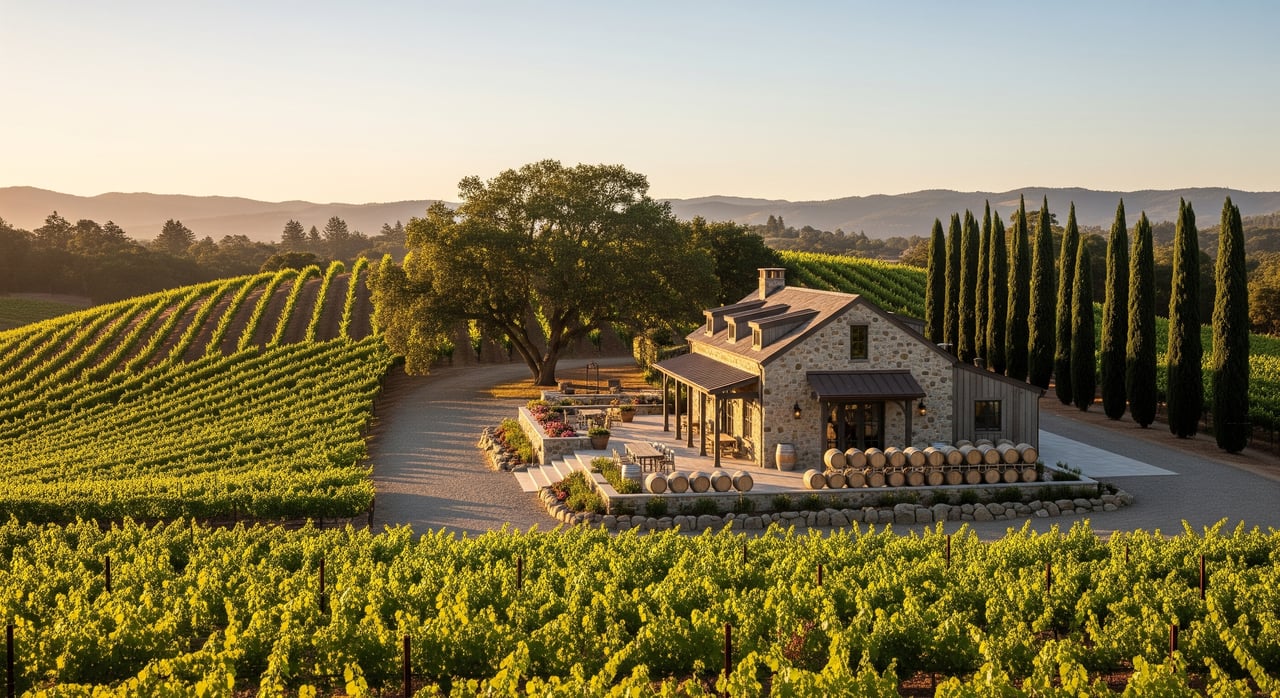
Thinking about a small vineyard near Healdsburg or Asti and wondering how to judge the cap rate? You are not alone. Vineyards are living assets with seasons, weather swings, and capital cycles that do not fit tidy multifamily math. In this guide, you will learn how to use cap rate the right way for 95425 properties, what income and expenses to verify, and how to account for wildfire, water, and lease structure. Let’s dive in.
Cap rate basics for vineyards
Cap rate is a quick yield snapshot: Net Operating Income divided by purchase price. For vineyards, that NOI should reflect recurring income minus recurring operating expenses. Remember that a single season can be misleading because vineyard earnings vary with vintage conditions. Use cap rate as a starting point, then layer in multi-year scenarios and reserves.
Cap rate works best when you compare like with like. If two similar blocks have comparable bearing acres and the same lease structure, cap rate helps you rank today’s cash yield. If you plan to self-operate, cap rate matters less than total return since you assume full crop risk and management time.
When cap rate helps in 95425
Healdsburg and Asti sit in a high-value wine and tourism market. Premium locations can compress cap rates because buyers pay for lifestyle and long-term land value. Cap rate is most useful here when you evaluate a stable cash lease or a documented share lease with reliable production history.
Use it to compare:
- Two leased vineyards with similar varieties and bearing acreage.
- A cash-lease scenario versus a share-lease option on the same parcel.
- A tenant-operated block versus a custom-farmed, owner-operated plan.
Income structures to compare
Different structures deliver very different risk and yield profiles. Clarify which applies before you judge the cap rate.
- Cash lease. You receive a fixed payment per acre. Income is predictable but upside is capped. Verify lease term, escalations, and landlord duties.
- Share lease. You receive a percentage of the crop or revenue. Upside and downside are shared. Confirm who pays for inputs, harvest, transport, and how crop value is calculated.
- Owner-operated. You pay all farming costs and market the fruit. This offers the highest upside and the most volatility. Budget for management time or a management fee.
- Other income. Some properties add ag-tourism, accessory rentals, or renewable energy leases. Confirm local zoning and permits before underwriting.
Verify production and revenue
Underwrite with documents, not guesses. Ask for at least 3 to 5 years of records for each block.
- Production history. Tons harvested per acre, harvest dates, and any crop quality notes.
- Prices or rent. Grape price per ton received, winery contracts, or signed lease payments.
- Acre detail. Total acres, planted acres, and bearing acres. Note vine age and any non-bearing replants.
- Third-party support. CPA-prepared statements, contracts, and county reporting where available.
Expenses to include in NOI
Many vineyard expenses recur each year and belong in NOI. Others are capital items that require a reserve outside NOI. Separate them clearly.
Recurring operating expenses:
- Property tax. Verify assessed value and any ag or open-space classification with the county.
- Water and irrigation. Metered district charges, well energy costs, and system upkeep.
- Labor. Pruning, canopy work, pest control, irrigation checks, and harvest labor with payroll obligations.
- Spray program. Fungicides, insecticides, monitoring, and compliance.
- Management. Vineyard management or supervision fees if you do not self-manage.
- Harvest and custom crush. Picking labor, bins, transport, and winery processing if applicable.
- Insurance. Property, liability, fire, and crop policies if used.
- Maintenance. Trellis repairs, roads, fences, and frost protection system upkeep.
- Admin and overhead. Utilities, legal, accounting, and permits.
Capital expenditures and reserves:
- Replanting and renovation. Vineyards need periodic replanting or reworking rootstocks. The timing and cost are material.
- Infrastructure. Trellis replacement, irrigation lines, pumps, reservoirs, and frost fans.
- Long-term site work. Erosion control, road repairs, and creek crossings.
Build a per-acre replacement reserve based on vine age and system type so your pro forma reflects long-term needs.
Local factors that move cap rates
95425 covers Healdsburg and the Asti area, near subregions like Dry Creek Valley, Russian River Valley, and Alexander Valley. Variety mix and microclimate shift over short distances and affect price per ton and yield expectations. Confirm the exact AVA or subsite, variety, and market for each block before you value income.
Key local drivers:
- Market demand. Strong winery demand and visitor traffic can support premium fruit relationships, but they also raise land values and compress cap rates.
- Wildfire and smoke. Recent wildfire seasons increased crop-quality risk and insurance costs. You should review insurance history and plan for mitigation.
- Water and regulation. Drought cycles, groundwater rules, and well permitting influence yields and operating costs. Verify water sources, rights, and system capacity.
- Labor and compliance. California labor laws affect pruning and harvest costs. Confirm who bears these costs under your lease or management plan.
- Property tax and land use. County assessment and agricultural classification can change your effective tax burden. Confirm with local offices during diligence.
Step-by-step underwriting workflow
Use a clear process to keep your analysis disciplined and comparable across options.
Pre-offer documents to gather:
- Parcel maps, APNs, legal description, and any deed restrictions.
- 3 to 5 years of production records with tons per acre and prices or lease receipts.
- Copies of leases, winery purchase agreements, custom farming contracts, and water or access easements.
- Soil maps, irrigation plans, and well logs if relevant.
- Vine age maps and replacement history.
- Insurance and claims history, including smoke-related events.
- Title report, zoning, and permits for any ag-tourism or events.
Underwriting steps:
- Identify the income model. Cash lease, share lease, or owner-operated. Model each if you have options.
- Build revenue scenarios. Create low, average, and excellent vintage cases for yields and prices where relevant.
- Itemize expenses. Use actual invoices or current local vendor quotes for each recurring line item.
- Add management costs. Include a realistic management fee or your opportunity cost of time.
- Estimate property taxes and confirm any ag classifications.
- Add reserves. Annualize replanting and infrastructure costs based on vine age and system.
- Calculate NOI for each scenario. Note stabilized and conservative cases.
- Compute cap rate. Divide NOI by price and present a range across scenarios.
- Build a 10 to 20 year total return view. Include capital cycles, appreciation assumptions, and tax effects with your CPA.
Build a realistic cap-rate range
Your goal is not a single number. Present a range that reflects the income structure and vintage variability. For a cash lease, the range may be tight if the tenant and terms are strong. For a share lease or owner operation, the range will widen to reflect crop risk and price swings.
Use sensitivity tables to show how cap rate changes under low, mid, and high vintages. Compare the same parcel across cash lease, share lease, and owner-operated paths so you see which path fits your risk tolerance and time commitment.
Look beyond cap rate to total return
Many buyers in Healdsburg and Asti want both enjoyment and investment. Total return captures that full picture. Include cash yield, expected land appreciation, capital cycles, tax treatment, and any personal use value.
Be explicit about how personal use reduces your required financial yield. If you plan to host family, build a small brand, or keep fruit for a hobby label, that choice affects cash flow. Total return helps you stay objective about what you are paying for.
Red flags to investigate
- No multi-year production records or unverifiable contracts.
- Large areas of non-bearing vines not reflected in the price.
- Fragmented small blocks that raise per-acre management costs.
- Single, seasonal water sources or unpermitted wells.
- Evidence of smoke-related rejections or recurring disease pressure.
- Short-term or verbal leases with unclear terms.
How a local advisor helps
A specialized local advisor can assemble the right records, pressure-test assumptions, and connect you with vineyard managers, water specialists, and legal or tax pros. You get clearer cap-rate math and a more realistic total return plan. You also gain context about AVAs, microclimates, and buyer demand that influence value in 95425.
If you want investor-grade discipline with Sonoma-specific insight, you can work with a representative who blends agricultural economics training with hands-on rural systems knowledge. That combination helps you balance income goals with lifestyle priorities while reducing transaction risk.
Ready to evaluate a property or compare scenarios? Reach out to Erik Terreri for a tailored underwriting review and a local strategy that fits your goals.
FAQs
What is cap rate for small vineyards?
- It is Net Operating Income divided by purchase price, using recurring income and expenses. For vineyards, pair it with multi-year scenarios and reserves due to vintage volatility.
How do wildfire and smoke affect underwriting in 95425?
- They add crop-quality risk, potential income swings, and higher insurance and mitigation costs. Review insurance history and model conservative revenue cases.
Which lease type gives the most predictable cap rate?
- A cash lease is usually the most predictable since rent is fixed, while share leases and owner operation add crop and price risk along with upside potential.
What production records should I request before making an offer?
- Ask for 3 to 5 years of tons per acre, prices or lease receipts, winery contracts, and input invoices, plus vine age maps and any replant history.
How should I treat replanting in my cap-rate analysis?
- Do not ignore it. Add an annual replacement reserve for replanting and infrastructure so your NOI and total return reflect long-term capital needs.
How do AVA and variety affect cap rate in Healdsburg and Asti?
- Different AVAs and varieties command different prices and yields. Confirm the specific block’s variety, buyer relationships, and site conditions before you compare returns.