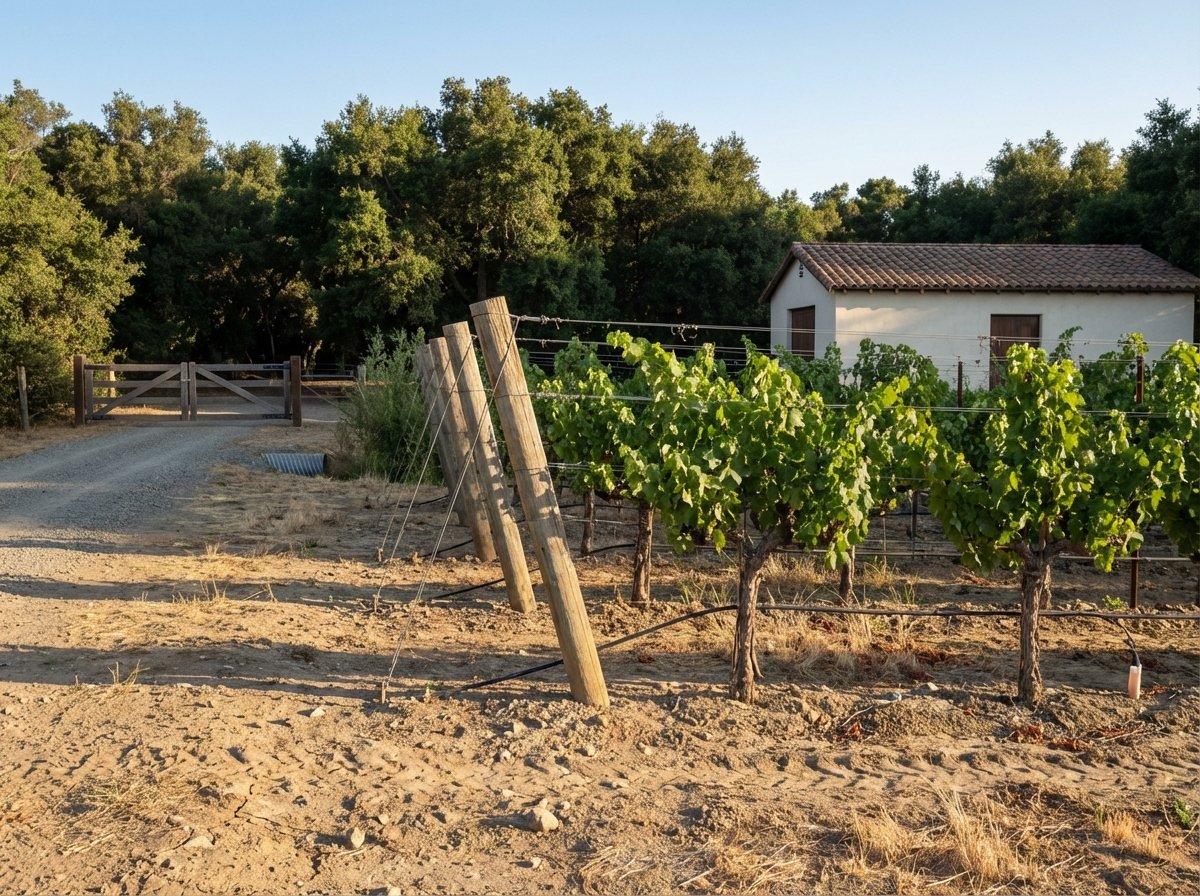
Buying Asti Sonoma Vineyard and Riverfront Properties
February 19, 2026
February 19, 2026
Thinking about owning vines along the Russian River in Asti? The idea is compelling: sunny benches, cool nights, and the Alexander Valley lifestyle. But buying vineyard or river‑corridor land here involves rules, water, setbacks, and timelines that can surprise first‑time rural buyers. This guide gives you a clear path to assess land, understand constraints, and move forward with confidence. Let’s dive in.
Asti sits in northern Sonoma County along U.S. 101, part of the Alexander Valley corridor between Cloverdale, Geyserville, and Healdsburg. The community lies inside the Alexander Valley AVA, known for warm days, cool nights, and well‑drained alluvial soils that support Cabernet Sauvignon, Chardonnay, and other varieties. You can read more about the AVA’s terroir in the overview of the Alexander Valley AVA.
Asti’s identity formed around the historic Italian Swiss Colony estate at Asti Winery, established in 1881. Large legacy holdings shaped parcel patterns, so you may find former estate vineyard blocks, older homesites, and ranch layouts rather than recent subdivisions.
Two county frameworks shape what you can do: the General Plan and the Zoning Code. Many Asti parcels carry Land Intensive Agriculture designations. Under Sonoma County’s General Plan policy, new parcels in LIA should not be created smaller than 20 acres, often shown as LIA B6 20. You can review the policy in the Sonoma County General Plan 2020, Agricultural Resources Element.
Visitor‑serving uses are limited in agricultural areas and usually require a Use Permit. That includes tasting rooms, public events, and on‑site sales. New winery or tasting‑room applications often need to demonstrate adequate water supply, safe access and parking, wastewater handling, riparian and flood avoidance, and wildfire access and fire‑flow capacity. Small or micro‑winery paths exist in some cases but remain subject to county review.
If you are serious about a parcel, order a Permit Sonoma zoning and parcel report early. It will confirm the General Plan category, zoning, B‑density, and any combining districts that restrict development or planting.
Setbacks along rivers and creeks are a major factor in Asti. Many riverfront or creek‑adjacent parcels carry Riparian Corridor combining districts that restrict where you can build or farm near waterways. Setbacks are commonly described in notations like RC100/50 or RC50/25, which you will see in project files and parcel records. These designations reflect development and agricultural setback distances from the top of bank. You can see how these are cited in county filings by reviewing an example on CEQAnet.
Along the Russian River, you should also map the floodplain and floodway. FEMA FIRM maps and county flood layers help you understand how much of the flat bench is actually usable for structures, driveways, or vines. In some cases, riparian and flood constraints can remove a surprising amount of plantable or buildable acreage.
Expect a mix of property profiles in the Asti stretch:
Terrain varies across valley benches and the first Mayacamas foothills. Benchland and alluvial terraces tend to have deeper, well‑drained soils and are simpler to develop. Hillside sites can deliver character and views, but they typically bring higher costs for grading, access, erosion control, and irrigation layout.
Access is straightforward from U.S. 101 and local roads like Asti Road and River Road. Utilities on rural parcels usually include private wells, onsite septic, and PG&E electric. Always confirm well logs, pump test data, and septic capacity as part of your due diligence.
If you want an early read on soil and water management practices for vineyard land, review the resources in the UCCE Sonoma Water & Soil Program.
Water is central to your plan. California recognizes two basic types of surface water rights: riparian rights for parcels that border a watercourse and appropriative rights that require state authorization. Many vineyards in Alexander Valley rely on groundwater from private wells, surface diversions, or both. If a parcel has a diversion, you may need to file Statements of Diversion and Use with the State Water Board. Learn the basics on the State Water Resources Control Board’s allocation page.
Groundwater yields vary. Valley alluvium often supports higher‑yield wells, while bedrock foothills may only support small domestic wells. Switching irrigation or frost protection sources can trigger regulatory review. Before you count on vines or a winery, plan for site‑specific testing, including a pump test, seasonal checks of the water table, and water‑quality sampling.
Winery process water and vineyard runoff are now closely managed in the North Coast region. The North Coast Regional Water Quality Control Board is implementing programs and general orders to limit runoff and protect streams, and wineries must handle process and sanitary wastewater according to permitted standards. Review the Board’s program priorities, including the Vineyard Program, on the North Coast Water Board site.
Small production models sometimes use offsite custom‑crush and keep onsite wastewater loads minimal. Larger onsite processing will require engineered systems and a clear land‑application plan. Expect coordination between Permit Sonoma and the Regional Board early in scoping.
Planting a vineyard is capital intensive. UC and UC Davis studies for North Coast vineyards show that first‑year establishment cash costs are often in the tens of thousands per acre, and total multi‑year establishment costs are substantially higher. Review recent studies on the UC Davis cost studies resource, then build a budget that includes a few years with little to no grape income.
Permitting timelines vary with water, wastewater, riparian and flood issues, and CEQA triggers. Plan for months to a year or more for any winery or tasting‑room path that requires a Use Permit.
Start these checks as early as possible, ideally before making an offer:
Buying vineyard or river‑corridor land in Asti calls for both technical due diligence and local judgment. Erik brings an academic background in environmental and agricultural economics and deep experience with rural systems like wells, septic, and off‑grid power. He pairs that with Compass marketing tools and a hands‑on, boutique approach rooted in Sonoma County.
Whether you are planning a small hobby block, a vineyard‑capable estate, or a modest production footprint with offsite custom‑crush, you will get a clear plan, vetted vendors, and a disciplined process from offer to close. If you are exploring 1031 or reverse‑1031 strategies, Erik can coordinate timelines and property identification while you complete site checks.
Ready to evaluate a specific parcel or build a short list? Reach out to Erik Terreri for a tailored consultation and an action plan that fits your goals.
Whether buying or selling, trusted guidance ensures a seamless journey. Every detail is handled with care, turning real estate goals into achievements while providing clarity, confidence, and peace of mind throughout the process.