How to Choose the Best Season to List in Cloverdale
April 23, 2026
April 23, 2026
If you are thinking about selling in Cloverdale or north Sonoma, timing can shape everything from buyer interest to your final sale price. The good news is that there is a clear seasonal pattern here, but the best window is not exactly the same for every property. Whether you own an in-town home, a condo, or rural acreage, understanding how local climate, market pace, and property type work together can help you list with more confidence. Let’s dive in.
For most sellers in Cloverdale and north Sonoma, spring is usually the strongest season to list. Realtor.com’s Best Time to Sell report says the week of April 13 to 19 has historically offered a strong mix of higher prices, stronger buyer demand, fewer competing sellers, fewer price reductions, and a faster market pace.
That pattern makes sense in practical terms too. As spring approaches, Redfin notes that new listings, mortgage-purchase applications, Google searches for homes, and home touring activity rise. Buyers are more active, and sellers who are ready early often benefit from that momentum.
Local numbers also show that timing still matters. In March 2026, the Cloverdale 95425 ZIP code had a median sale price of $650,000, 66 median days on market, and a 98.4% sale-to-list ratio, according to Redfin’s local housing market data. Sonoma County overall moved faster, with a median sale price of $815,000 and 36 median days on market, which suggests that presentation, pricing, and launch timing still carry real weight in Cloverdale.
Cloverdale and north Sonoma do not move on market trends alone. Local climate plays a big role in how a property looks, how it feels during showings, and what buyers notice first.
According to UC ANR’s overview of Sonoma County’s summer-dry climate, the county has a two-season Mediterranean climate with hot, dry summers and cool, wet winters. Cloverdale sits in a warm inland zone that is generally drier, hotter, and colder than other parts of Sonoma County.
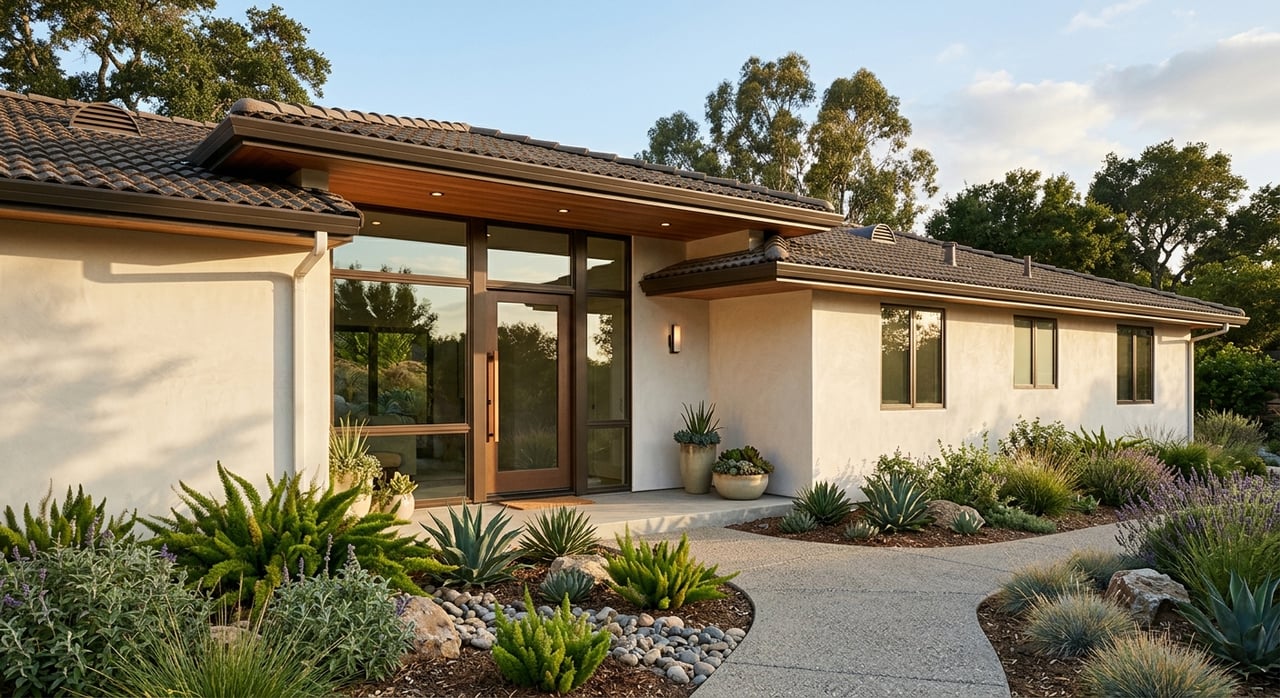
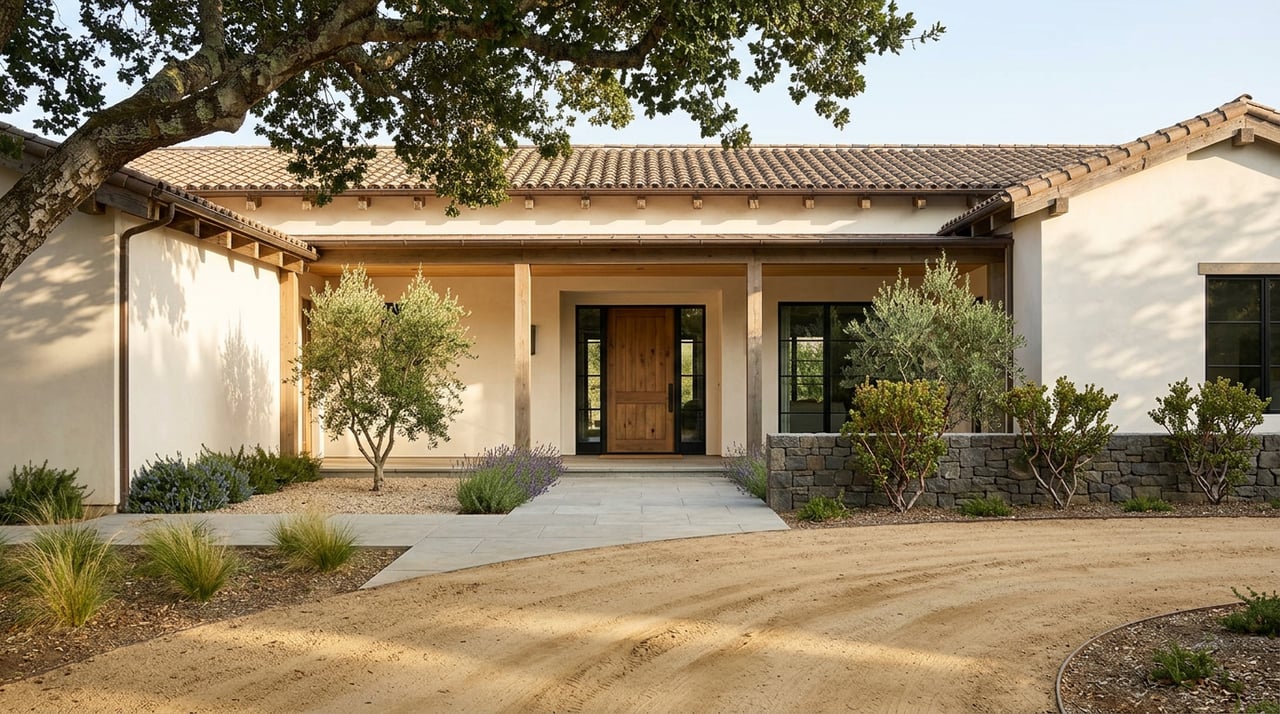
That affects curb appeal in a very real way. Spring often brings greener hillsides, fresher landscaping, and milder temperatures for showings. By late summer and early fall, the landscape is usually much drier, which can still be appealing, but it creates a different first impression.
If you are selling a single-family home or condo in town, spring is usually the best default choice. National data shows that seller conditions generally improve in late winter and spring, while price reductions tend to rise later in the year as unsold summer inventory lingers, according to Realtor.com.
That does not mean every spring listing will outperform every fall listing. It means spring often gives you the best combination of buyer demand, lower price-cut pressure, and a more attractive visual setting. If your home is clean, well-prepared, and ready to show, this season usually gives you the broadest audience.
Local schedules can matter too. The Cloverdale school calendar includes spring break in late March and early April, along with the usual summer break. For some households, that can affect moving timelines and showing availability, which is one more reason early planning helps.
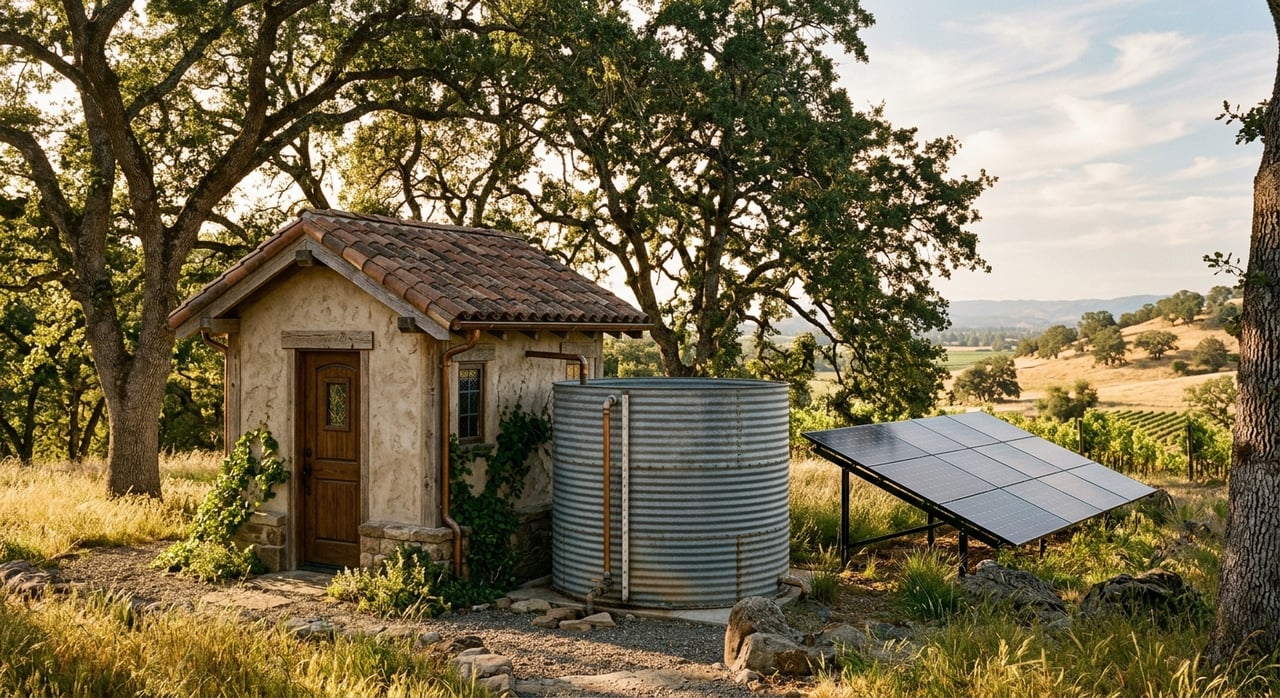
If you own acreage, a ranch, a vineyard property, or an off-grid home, the best season can start a little earlier. Late winter through spring is often the clearest visual and practical window for these properties.
With winter moisture still in the ground, buyers can better evaluate roads, drainage, fencing, and the overall condition of the land before summer dryness sets in. In a warm inland area like Cloverdale, that is not just about appearance. It can help buyers understand how the property functions.
This is especially important for homes with wells, septic systems, or other rural infrastructure. Permit Sonoma’s Well and Septic Division reviews development proposals that rely on wells or septic systems, and the California Department of Water Resources advises domestic well owners to understand groundwater conditions, construction details, and maintenance needs. For sellers, that means organizing these details early can reduce delays once buyers begin their due diligence.
Early fall can still be a good listing window, especially for properties connected to vineyards, agriculture, or the broader wine-country lifestyle. Wine Road explains that harvest and crush usually begin in late August and continue into late October or early November, with the busiest harvest stretch typically landing from early to mid-September through early to mid-October.
For some buyers, that season adds energy and context. They can experience the area when wine-country activity is visible and active, which can be meaningful for certain property types.
Still, fall is not usually the safest blanket recommendation. National data suggests that competition and price reductions tend to become more challenging later in the year, according to Realtor.com’s market timing report. In north Sonoma, the drier landscape and seasonal fire-awareness concerns can also shift buyer attention toward property maintenance, access, and defensible space.
Many sellers assume winter is always the wrong time, but that is not necessarily true. Winter usually brings less traffic than spring, but it can still work well if your home is turnkey and you want to face fewer competing listings.
This can be a practical option if your timing is driven by life events, estate needs, or a property transition you do not want to delay. The key is to go in with realistic expectations. You may see a smaller buyer pool, but those buyers can be more serious.
For rural properties, winter can also help reveal how a site handles moisture and weather. That can be useful information for buyers, especially when paired with organized disclosures and strong preparation.
If your property is near downtown Cloverdale, local events may influence open house planning. The Cloverdale Chamber event calendar includes recurring events such as the Cloverdale Wine Walk from October through May, a July 4 celebration, an August sidewalk sale, a September car and motorcycle show, and a December winter festival. The Cloverdale Citrus Fair also takes place over Presidents’ Day weekend.
These events can increase visibility and foot traffic in the area, but they can also create parking and access challenges. In other words, event traffic is more of a scheduling factor than a stand-alone marketing plan.
If you are selling a downtown home, it helps to think strategically about showing times, signage, and guest access. A well-timed open house can benefit from local activity, while a poorly timed one can feel harder to navigate.
The right season depends on more than the calendar. It depends on your property, your goals, and how ready the home is to hit the market.
Here is a simple way to think about it:
The bigger point is this: in Cloverdale and north Sonoma, timing can improve your outcome, but it works best when paired with smart preparation. Pricing, presentation, disclosures, and launch strategy still matter in every season.
If your home is in town and ready to show, spring is usually the safest default. If your property includes land, wells, septic, or other rural features, the ideal window often starts earlier, before the landscape dries out and before buyers become more focused on late-season conditions.
A well-timed launch is not about chasing a perfect week. It is about matching your property to the season when it can show its strengths most clearly. If you want help building a season-specific strategy for your Cloverdale or north Sonoma property, connect with Erik Terreri for a tailored market strategy and property consultation.
Whether buying or selling, trusted guidance ensures a seamless journey. Every detail is handled with care, turning real estate goals into achievements while providing clarity, confidence, and peace of mind throughout the process.