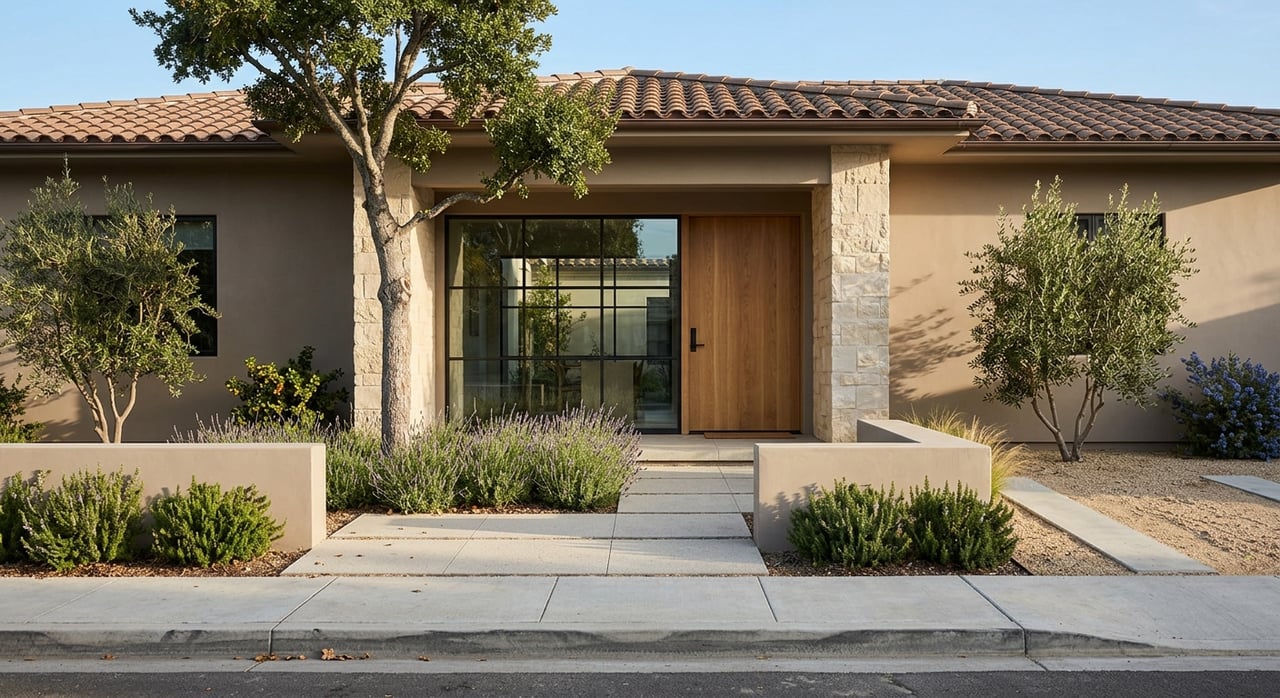
Choosing Between In-Town And Country Homes Near Healdsburg
June 11, 2026
June 11, 2026
Wondering whether life near the Healdsburg Plaza or out on a country parcel is the better fit for you? It is a smart question, because these two paths can lead to very different day-to-day routines, maintenance needs, and ownership responsibilities. If you are weighing convenience against privacy, or neighborhood living against open space, this guide will help you compare the tradeoffs with more confidence. Let’s dive in.
Healdsburg is not a one-note market. The city’s General Plan describes downtown as the community’s main activity center and notes that the city remains compact at just under five square miles. That smaller footprint helps explain why in-town living often feels connected, accessible, and easier to navigate.
At the same time, the areas outside city limits follow a very different pattern. Sonoma County uses community separators to contain urban development and preserve agricultural land and open space around towns. For you as a buyer, that means country homes near Healdsburg often come with a more rural setting, different land-use rules, and a different ownership experience.
If your ideal day includes walking to coffee, heading downtown without much planning, or keeping errands simple, in-town Healdsburg may be the stronger fit. The city highlights pedestrian pathways, trails, bike-friendly recognition, downtown parking, and Route 67 shuttle service connecting downtown, the shopping center, and neighborhood loops. In practical terms, that can mean less dependence on your car for everyday routines.
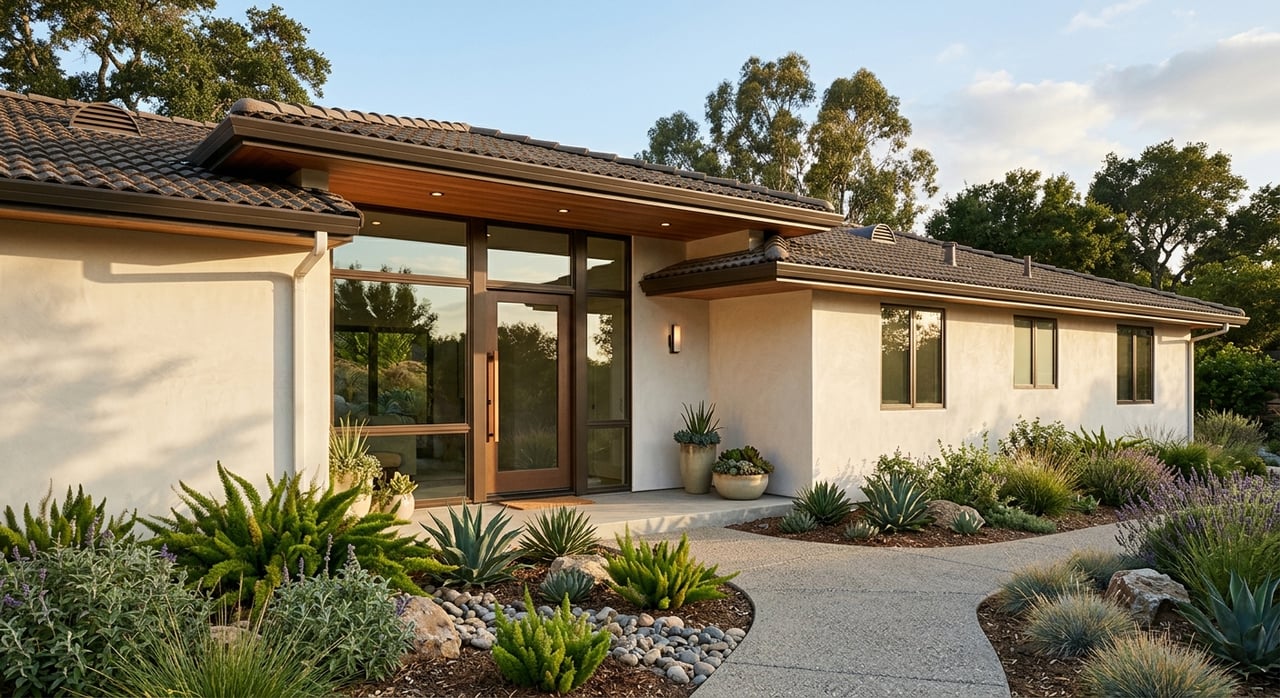
In-town living can also offer a stronger sense of neighborhood rhythm. Healdsburg’s planning documents emphasize protecting neighborhood character and downtown’s historic charm, while also allowing residential uses in the downtown core to support vitality. That blend gives you access to homes in a range of settings rather than one single housing style.
One of the most important things to know is that “in-town” does not mean uniform. Healdsburg includes buildings of many ages and styles mixed across much of the community, from historic blocks to older neighborhoods and newer infill. If you are home shopping in town, you are often comparing not just location, but also age, condition, updates, and layout.
That matters because an older cottage near the center of town and a newer infill home can deliver very different ownership experiences. Even when both are close to the same amenities, the structure itself may shape your long-term costs and upkeep more than the address alone.
A big advantage of living in town is simpler infrastructure. Healdsburg provides electric, water, wastewater, solid waste, and street sweeping services, and the city’s wastewater system includes 36 miles of sewer mains and 9 lift stations. For many buyers, that shifts attention away from private utility systems and back toward the home’s condition, yard, and day-to-day livability.
That does not mean in-town ownership is maintenance-free. Because many neighborhoods include older buildings and historic areas, it is important to look closely at maintenance history, retrofit quality, and overall condition. In a place with layered building stock, those details can matter just as much as proximity to downtown.
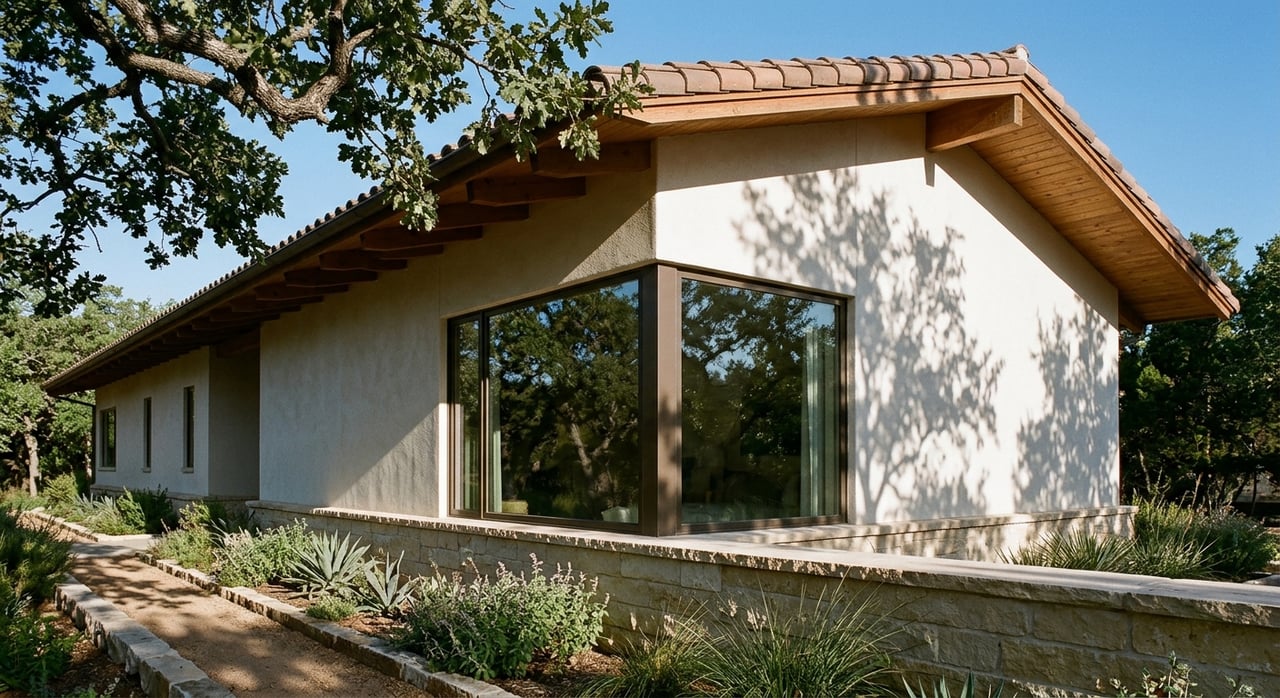
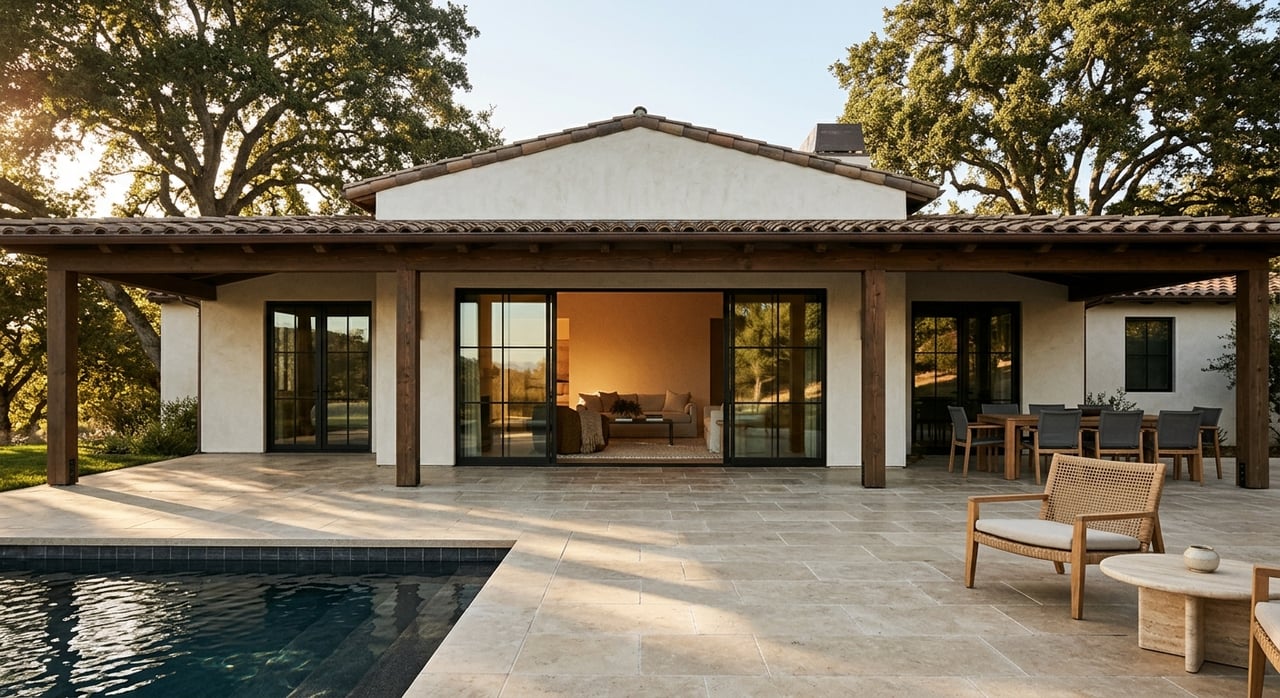
If your priority is room to spread out, country living near Healdsburg may feel like the better match. Rural properties often offer more privacy, more land, and stronger connections to agricultural surroundings. That appeal is shaped in part by Sonoma County’s land-use framework, which preserves open-space gaps around cities and helps maintain rural character outside town.
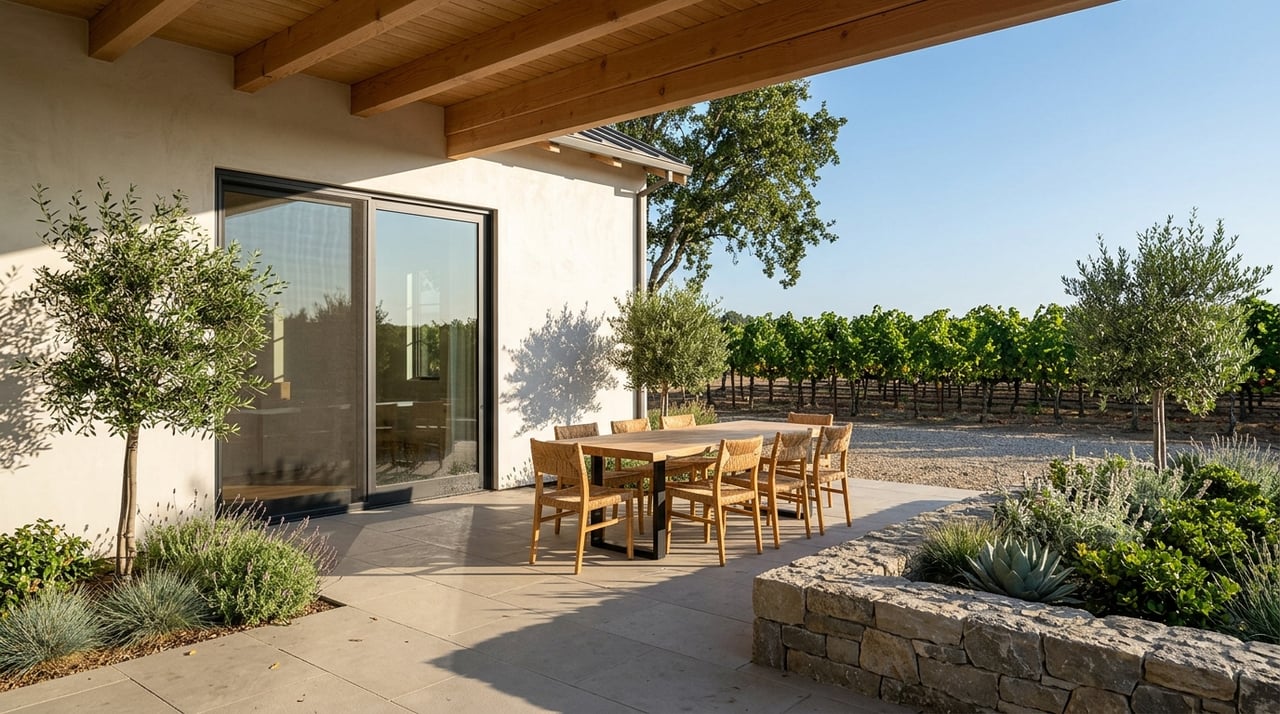
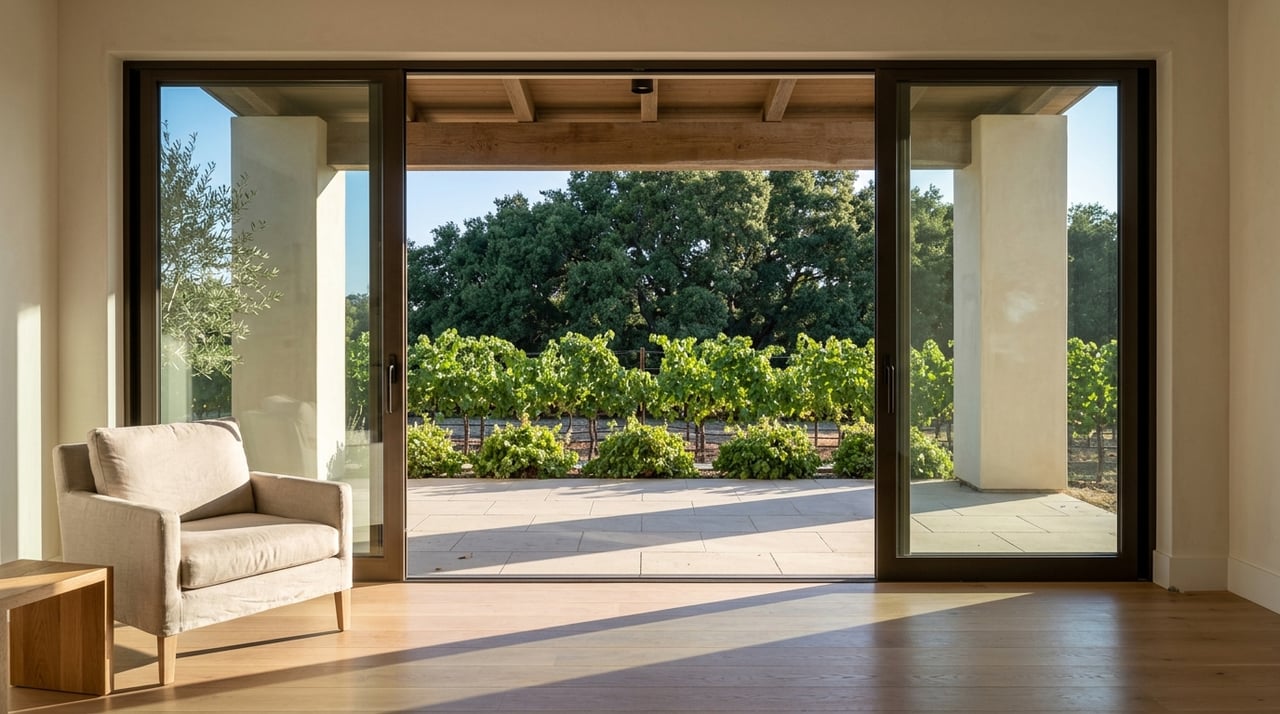
For many buyers, that open setting is the point. You may want vineyard views, a quieter environment, a larger parcel, or flexibility for rural living that simply is not available in town. If that sounds like you, the country option can be very compelling.
Country inventory near Healdsburg is more likely to sit in agricultural or rural-residential settings. UCANR’s summary of Sonoma County zoning notes that agricultural-residential and rural-residential districts differ from urban residential zoning, and that agricultural-residential zoning can allow crop and animal production on parcels two acres and larger, while rural-residential zoning limits agricultural activities. That distinction is important if you are thinking beyond the house itself.
In other words, not every country property supports the same uses. Two homes can both feel rural but come with very different rules about what is allowed on the land. That is why verifying zoning and land-use designation early is so important.
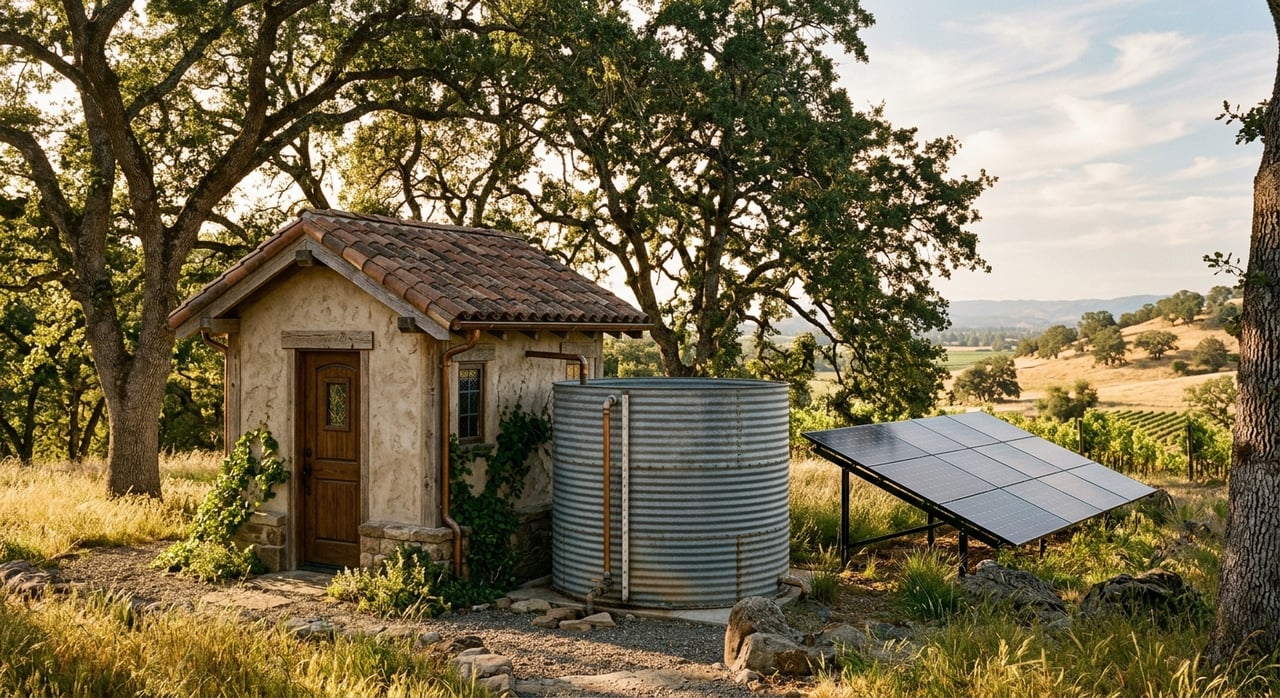
Country homes usually ask more from you as an owner. In unincorporated Sonoma County, Permit Sonoma handles septic permits, water well permits, and graywater permits, and county health resources direct residents there for drinking-water well and septic information. If a property relies on private systems, you will want to understand those systems clearly before you commit.
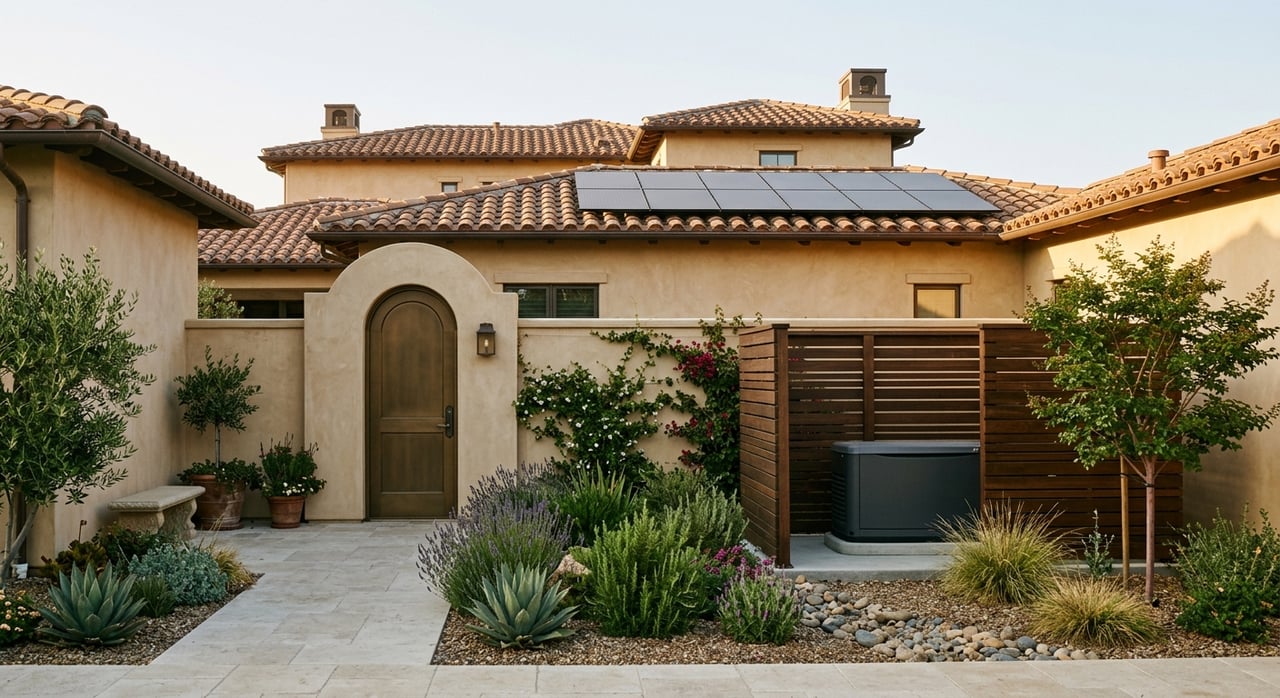
Wildfire preparation is another major part of rural ownership. CAL FIRE says homeowners should create and maintain 100 feet of defensible space and pair that effort with home hardening. If the property sits near vegetation, vineyards, or open land, that upkeep becomes part of your regular planning.
For many buyers, the decision comes down to how you want your week to work. In-town living usually supports a more walkable or bike-friendly routine, especially if you value easier access to downtown dining, shopping, parks, and local transit. Country living usually trades that convenience for privacy, views, and more breathing room.
Neither choice is better across the board. The right fit depends on whether you want your home to simplify daily logistics or create more separation from the pace of town. In Healdsburg, that tradeoff is especially clear because the city’s pedestrian and shuttle network is concentrated in town while the surrounding areas remain more agricultural and rural.
Before you focus too much on finishes or scenery, it helps to think through what ownership will actually require. A beautiful home that does not fit your maintenance comfort level can stop feeling ideal very quickly.
Here is a simple way to compare the two paths:
| Factor | In-Town Healdsburg | Country Near Healdsburg |
|---|---|---|
| Everyday access | Easier access to downtown, neighborhood loops, and local shuttle service | More driving for errands and appointments |
| Utilities | More likely to use city-provided services | More likely to involve private well and septic systems |
| Property size | Often smaller lots and denser neighborhood pattern | Often larger parcels with more open space |
| Home types | Mix of historic, older, and newer infill homes | Rural, agricultural, or rural-residential settings |
| Ongoing upkeep | More focus on structure condition and yard maintenance | More focus on systems, vegetation management, and defensible space |
Whether you are leaning in-town or country, a few early questions can save you time and reduce surprises later. These are especially important near Healdsburg because city and county properties can operate very differently.
Ask these questions before you move forward:
These questions are not just technical. They shape your budget, your maintenance calendar, and the way you use the property after closing.
If you are still deciding, start with your routine rather than the marketing photos. Think about how often you want to drive, how much land you truly want to manage, and whether you prefer simpler infrastructure or more control over a larger rural setting. The clearer you are on those basics, the easier it becomes to spot the right fit.
In general, in-town Healdsburg tends to trade acreage for convenience and simpler infrastructure. Country homes tend to trade convenience for privacy, open space, and more maintenance responsibility. That is the core decision, and getting it right can make your next move feel far more aligned with the life you want.
If you want help comparing specific properties near Healdsburg, working through zoning questions, or understanding the practical differences between city and rural ownership, Erik Terreri can help you build a clear strategy around your goals.
Whether buying or selling, trusted guidance ensures a seamless journey. Every detail is handled with care, turning real estate goals into achievements while providing clarity, confidence, and peace of mind throughout the process.