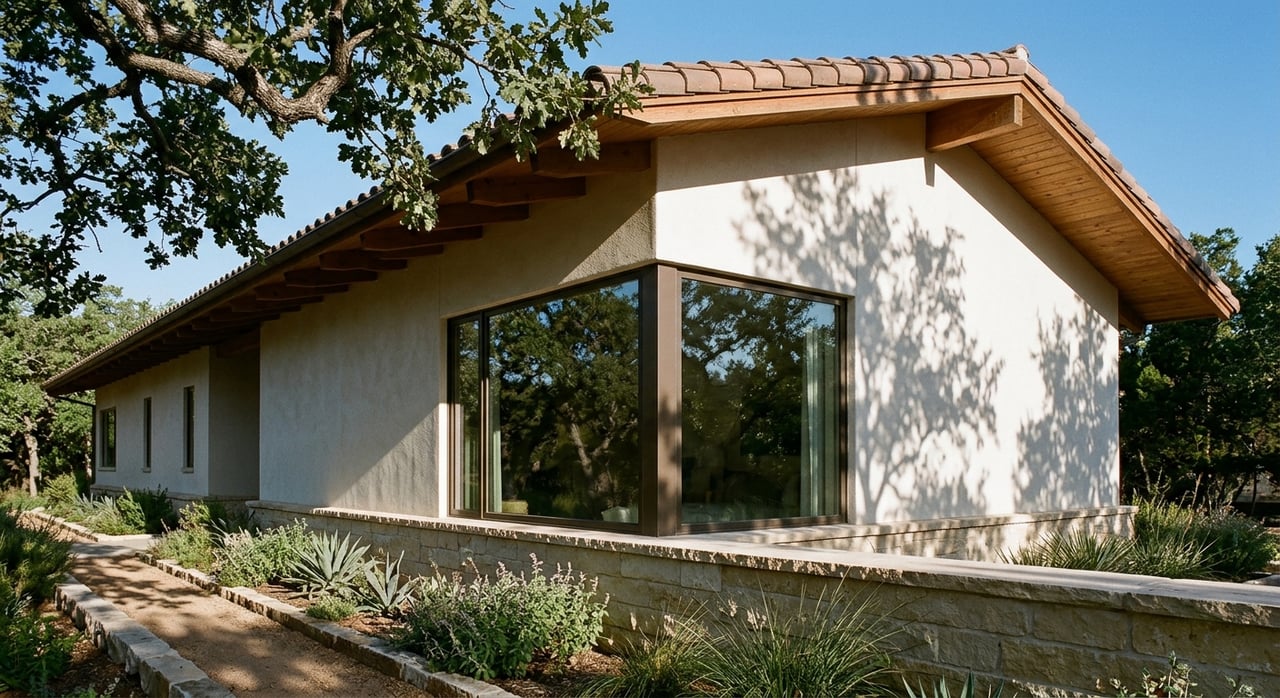
Healdsburg Housing Market Trends: How to Read Them
May 14, 2026
May 14, 2026
If you have ever looked up the Healdsburg housing market and found three different price points in three different places, you are not imagining it. In a small, high-value market like Healdsburg, the numbers can look inconsistent unless you know what each metric is really telling you. This guide will help you read the market with more confidence, understand what matters most, and make smarter buying or selling decisions in Healdsburg. Let’s dive in.
Healdsburg is a small market by size and population, with 11,231 residents across 4.42 square miles. In a market this compact, a handful of listings or closings can noticeably shift the monthly data.
That matters because many buyers and sellers compare numbers from Redfin, Realtor.com, and Zillow as if they measure the same thing. They do not. Different methods, date ranges, and definitions can produce very different headlines, which is why you need a framework, not just one big number.
Healdsburg also stands apart from much of Sonoma County because of its wine-country setting and premium appeal. Public spring 2026 snapshots show that Healdsburg is generally pricier than the county overall, which reinforces the need to evaluate local data carefully.
Public data from spring 2026 suggests Healdsburg is sitting between balanced and somewhat competitive. That means it is not a market where everything flies off the shelf, but it is also not a market full of deep discounts.
Redfin reports a median sale price of $898,500, 44 median days on market, and a 98.9% sale-to-list ratio. Realtor.com shows a $1.529 million median listing price, 150 homes for sale, 33 days on market, and a 100% sale-to-list ratio. Zillow reports a typical home value of $1,102,688 and 61 for-sale listings.
Those figures are best read as separate signals, not as contradictions. The clean takeaway is that Healdsburg behaves like a selective premium market where pricing accuracy matters more than aggressive guessing.
Inventory tells you how much choice buyers have, but in Healdsburg, the raw number can be misleading. Realtor.com reported 150 homes for sale in April 2026, while Zillow showed 61 for-sale units as of March 31, 2026.
That gap does not automatically mean one source is wrong. It usually means the platforms are using different timing and counting methods. In a small market, even a modest wave of new listings can make supply look dramatically different from one report to the next.
The better approach is simple:
If you want a cleaner view of market balance, months of supply is often more useful than a basic listing count because it reflects both inventory and sales pace.
Days on market shows how long a home is listed before it goes under contract. In Healdsburg, Redfin showed a median of 44 days in March 2026, while Realtor.com showed 33 days in April 2026.
It is easy to see a longer marketing time and assume something is wrong with the property. In reality, days on market can reflect many factors, including pricing, condition, seasonality, and the size of the buyer pool.
That is especially true in Healdsburg, where homes can vary widely. A condo near town, a single-family home, a rural property, or a vineyard-adjacent estate may all behave differently even within the same month.
A higher DOM may signal opportunity, but it should prompt questions, not assumptions. You should look at:
For sellers, longer DOM can be a sign that launch pricing or presentation needs to be sharper. For buyers, it can create room for a more thoughtful negotiation.
The sale-to-list ratio helps you see how close buyers are getting to asking price. It is one of the clearest ways to measure demand in a given market.
In Healdsburg, recent readings are close to parity. Redfin shows a 98.9% sale-to-list ratio, with 31.3% of homes selling above list price, while Realtor.com shows 100%.
That tells you something important. Buyers may not be overbidding across the board, but strong homes that are well-positioned can still attract very competitive offers.
A sale-to-list ratio near 100% usually points to a market where pricing discipline matters. In Healdsburg, that often means:
This is one reason Healdsburg feels balanced but still selective. The market can reward quality and scarcity without behaving like a frenzy.
One of the most confusing parts of market data is the gap between listing prices and sold prices. In Healdsburg, Realtor.com showed a $1.529 million median listing price and a $940,000 median sold price, while Zillow reported a typical home value of $1,102,688.
You should not treat those numbers as a simple discount formula. They come from different datasets and time windows, and they are measuring different things.
Instead, read them as separate clues. Listing price reflects current seller expectations, sold price reflects completed transactions, and typical value models estimate broader value trends. Put together, they show that Healdsburg requires careful interpretation, not quick conclusions.
Spring remains an important part of the housing calendar. National 2026 data points to late winter and spring as periods when buyer activity tends to rise, price reductions tend to ease, and listing conditions often improve for sellers.
Redfin’s March 2026 weekly release also pointed to stronger spring momentum, with touring activity up from the start of the year and mortgage-purchase applications rising week over week. Those signs support the idea that seasonal timing still influences buyer behavior.
In Healdsburg, local rhythm may add another layer. The city’s wine-country draw, downtown plaza, and regional access likely influence showing and listing patterns, even though that local effect is better understood as informed context than as a direct city-specific seasonal study.
Because Healdsburg is small, a single luxury listing or one notable sale can move the median enough to distort the story. That is why year-over-year comparisons and rolling trends are usually more reliable than reacting to one monthly swing.
If you want to read Healdsburg like a pro, do not ask, “What happened this month?” Ask, “How does this compare with the same time last year, using the same source and the same property type?”
If you are buying in Healdsburg, the numbers can help you separate real opportunity from noise. A home with more days on market might give you leverage, but only if you understand why it has been sitting.
A longer marketing time can reflect ambitious pricing, a narrower buyer audience, or condition issues that need review. It does not automatically mean the seller is ready for a steep discount.
Before you make an offer, look at:
This approach is especially important in Healdsburg, where unusual homes, rural properties, and lifestyle-driven purchases often need more analysis than a standard suburban comparison would provide.
If you are selling, do not focus on just one headline number. Inventory, days on market, and sale-to-list ratio work best when you read them together.
If inventory is rising, days on market are stretching, and the sale-to-list ratio is softening, the market is usually asking for better pricing discipline and stronger preparation. If strong listings are still trading close to asking price, then presentation, condition, and positioning may matter more than broad market anxiety.
As you prepare to list, pay close attention to:
In a market like Healdsburg, accuracy matters. A well-prepared launch often protects value better than an optimistic list price followed by repeated adjustments.
The best way to understand this market is not to chase dramatic headlines. It is to build a repeatable habit of comparing the same source, the same month, and the same property type over time.
That matters in any market, but it matters more in Healdsburg because the market is small, premium-priced, and shaped by selective demand. Public data as of spring 2026 points to a market that is roughly balanced to somewhat competitive, with enough nuance that buyers and sellers benefit from a careful, local reading.
If you want a clear, property-specific read on what the numbers mean for your next move in Healdsburg or greater Sonoma County, contact Erik Terreri for a tailored market strategy and property consultation.


Whether buying or selling, trusted guidance ensures a seamless journey. Every detail is handled with care, turning real estate goals into achievements while providing clarity, confidence, and peace of mind throughout the process.